








- 12
- 26.04.2023 14:04:00
- 3 min read
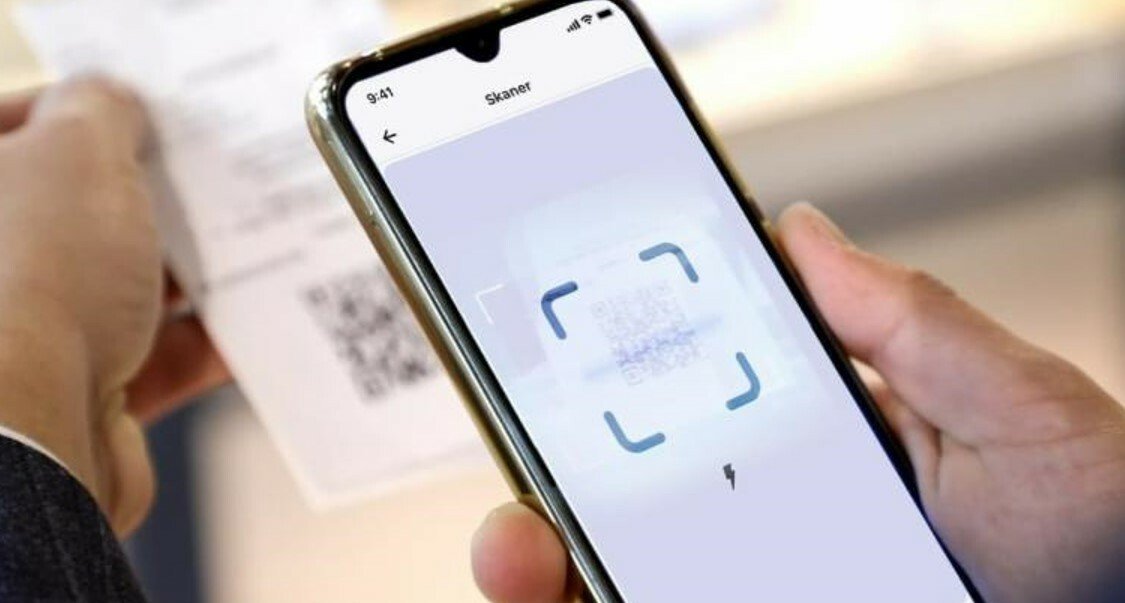
The state has begun to buy excess electricity from citizens who have installed solar panels on their homes at a rate of 1,000 soums per 1 kW-hour. The "Sunny House" service has been launched to receive subsidies in the "Saliq" mobile application. So, how to get a subsidy? According to the President's decision, from April 1, 2023, it was decided to implement the "Sunny House" program to encourage the installation of small power solar panels (with a total power of up to 50 kW-coat) in the territories of the republic. According to the program, it is planned to install solar panels in 37,000 households by the end of the year. Individuals who have installed solar panels with a total capacity of up to 50 kW-hour will receive a subsidy of 1,000 soums from the state budget for each kilowatt-hour of electricity transferred to the unified electricity system. The State Tax Committee announced that the "Sunny House" service has been launched in the "Saliq" mobile application. "The subsidy is paid to citizens every month through the mobile application "Tax" until the 25th of the month following the reporting month," the committee said. What do individuals who install solar panels have to do to get a subsidy? The "Sunny apartment" section of the Tax mobile application is selected and registered through Face ID; Then the button to use the service is clicked; Regional electricity networks will automatically appear when the cadastral number of the apartment is selected from the opened window; After that, the consumer account number is entered and the application is sent; After the application is reviewed and approved by the regional electricity network enterprise, the user can get acquainted with the difference between the received and transmitted electricity, the households registered for the subsidy, the difference in income, and the monthly subsidy information; The subsidy is calculated based on the difference between the amount of electricity consumed by an individual and the amount of single electricity at the end of the month. How are excess electricity and subsidies calculated on solar panels? If the solar panels installed in the house produce more electricity than it consumes, the state will buy it under guarantee. For this purpose, the solar panel is connected to a digital meter, and the calculations between the state and the individual take place automatically. For example, if a citizen receives 100 kW-hours of electricity from the grid during the month, the installed panels produce, say, 500 kW-hours of current. If at the end of the month, the amount of electricity sent by a citizen to the network is greater than the amount of electricity received from the network, the state will pay a subsidy of 1000 soums for each kW-hour of the positive difference. If the solar panels are larger and the positive difference in the middle is 200 kW-hours, the subsidy itself is 200 thousand soums, if it is 5000 kW-hours, the subsidy is 500 thousand soums . The smallest solar panels for the home are usually 3 kilowatts. And the state has expressed its readiness to pay subsidies to apartment owners for panels with a capacity of up to 50 kilowatts. Of course, the maximum limited amount of electricity transmitted to the general network depends on the technical capabilities of the network.