







- 10
- 16.08.2023 19:09:00
- 2 min read
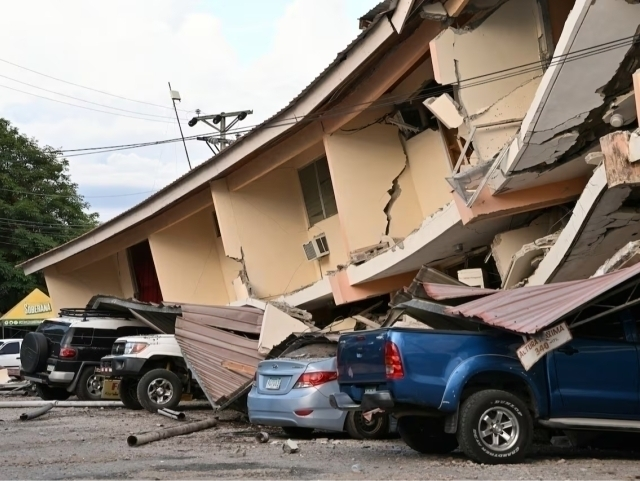
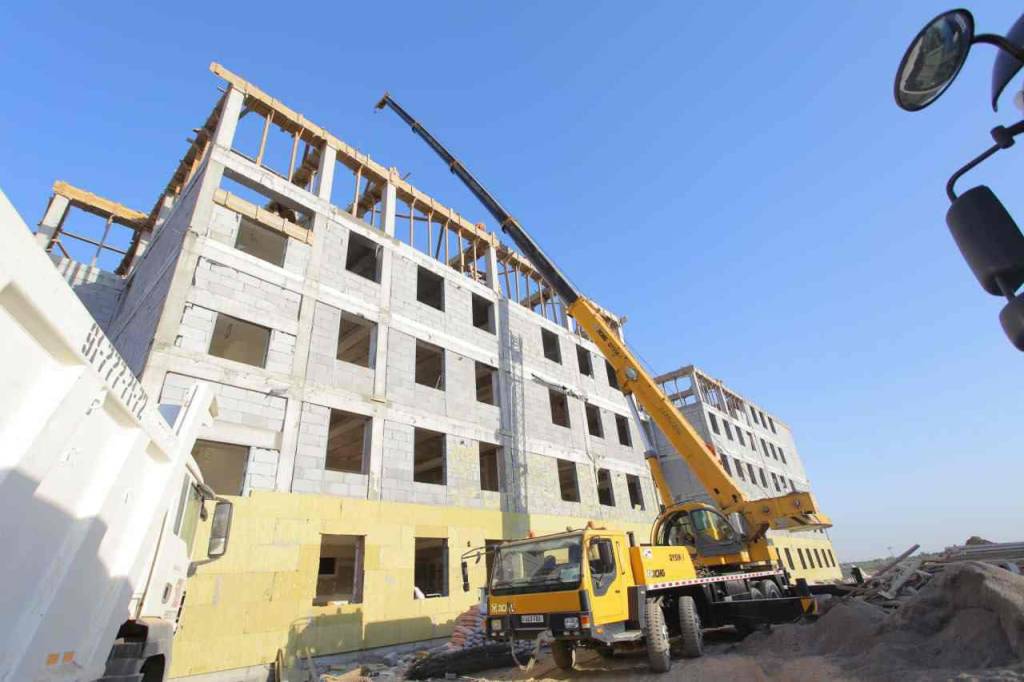
The decision of the Cabinet of Ministers "On the development of the national action plan in relation to the risk of climate change and natural disasters and the organization of its effective implementation" was adopted. The document confirms the national action plan of Uzbekistan for reducing the risk of natural disasters and increasing resilience to climate change in 2023-2030. Special attention is paid to the following disasters: earthquake; earth and rock movement; strong winds; snow drift; drought; floods and floods; natural fires; man-made risks associated with natural phenomena. According to the document, a large part of Uzbekistan is significantly under the influence of climate change, and climate change and its consequences affect socio-economic development, people's lifestyle and health, as well as the stability of economic objects. has an effect on the activity. In recent years, the number of natural disasters in the territory of the republic has increased significantly due to climate change. The average number of natural disasters was 115 cases in 2001-2010, and 126 cases in 2011-2022. 46% of them were earthquakes, 27% were floods, 13.5% were landslides, 8.7% were strong winds, 2.4% were floods, 1.6% were natural fires, 0.8% were avalanches and contributed by others. There is a risk of earthquakes with an intensity of 7 and above on the 12-point international CEC-64 scale in the republic. A number of seismological services of Central Asian countries record about 3,000 earthquakes of various intensity every year. About 70 percent of the population of Uzbekistan lives in seismically active zones. Since many buildings, especially single-family houses, are built without taking into account construction norms and rules, 70 percent of housing construction objects are not seismically stable. The secondary effects of an earthquake are likely to be catastrophic and cause other hazards. The main goal of the national action plan is to develop comprehensive measures to reduce the risk of natural disasters and increase resilience to climate change. Accordingly, the following is planned: development of new legislative norms, republican and regional strategies, increasing the participation and responsibility of local authorities in this direction; identification and assessment of the risk of natural disasters, raising the awareness of the population about such situations; attraction of state and private investments, localization of emergency-rescue and other special equipment production based on PPP principles, etc. Also, the "Road Map" consisting of 26 main measures for the implementation of the National Action Plan is being approved.