







- 4
- 20.09.2023 17:02:00
- 2 min read
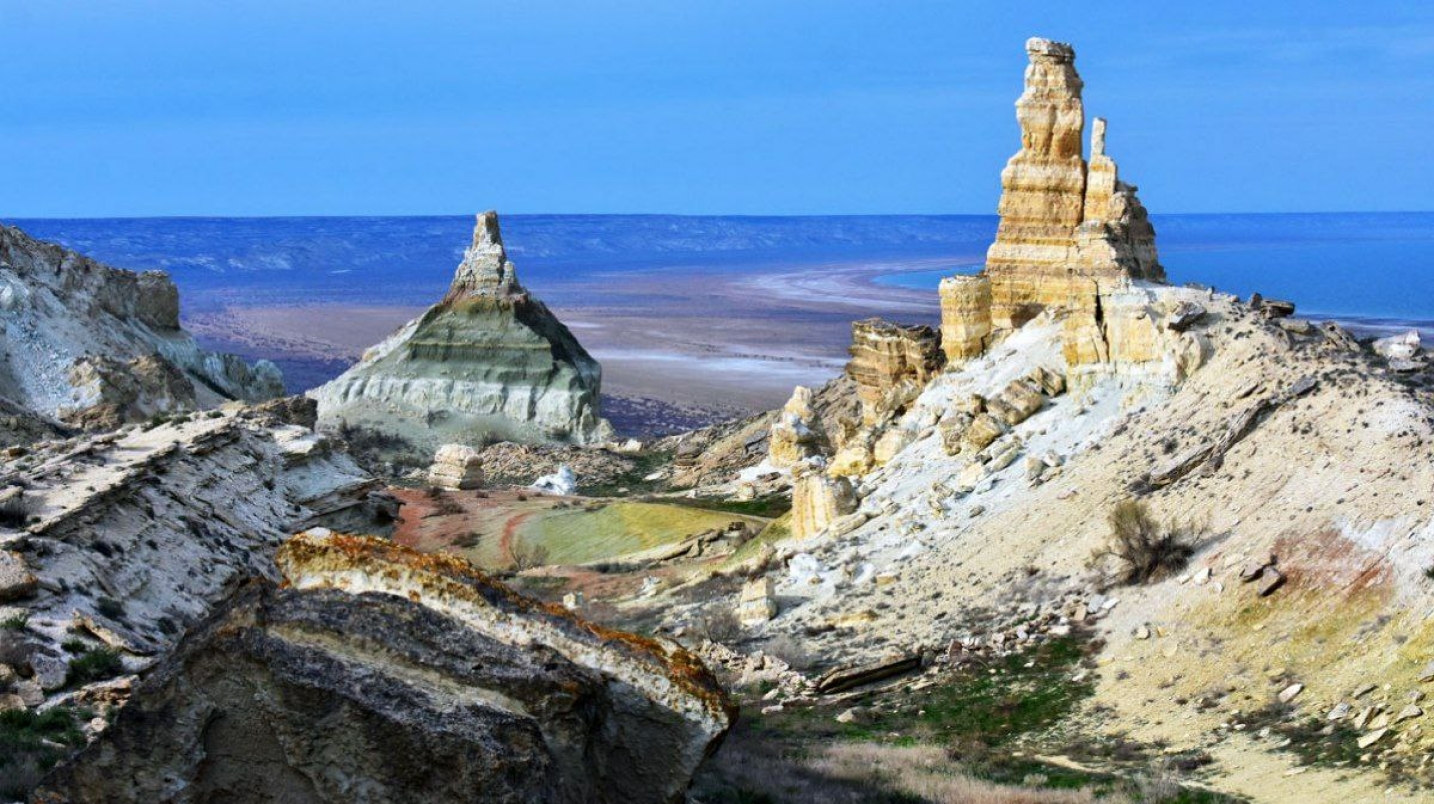
This is the first object included in the UNESCO list in the category of temperate deserts. Turan deserts are located in the territory of three countries - Uzbekistan, Kazakhstan and Turkmenistan. The transboundary natural object "Turonian Deserts in the Temperate Region" in Uzbekistan was included in the UNESCO World Natural Heritage List. This was reported by the press service of the Ministry of Ecology.
On September 20, an event of historical significance for the republic took place at the 45th session of the UNESCO World Heritage Committee in Riyadh (Saudi Arabia).
It should be noted that the close cooperation established by Uzbekistan with the UNESCO consultative body and the International Union for Conservation of Nature, as well as the wide-scale campaigning with the members of the World Heritage Committee (21 countries) and a positive decision was made as a result of political and diplomatic measures.
"Turonian Deserts in the Temperate Region" is the second object of Uzbekistan included in the list of World Natural Heritage Sites. In 2016, the "Western Tien Shan" facility with the participation of Uzbekistan, Kazakhstan and Kyrgyzstan was included in this list.
It is noteworthy that the new object is the first object included in the category of temperate deserts on the UNESCO list. The part of the territory belonging to Uzbekistan, which occupies an area of more than 2 million hectares located in the Aral Bay region and the Ustyurt plateau, consists of five bordering components - Saigachi, Saigachi-Beleuli, Saigachi-Duana, Saigachi-Jideyli (all of them belong to the North Ustyurt cluster) and It consists of South Ustyurt.
Inclusion of "Turonian deserts in the temperate region" in the list of World Natural Heritage is important from the point of view of preservation of unique biological diversity. In particular, it allows to bring the protection of 41 species of mammals, 167 species of birds, 42 species of reptiles, including kulan, saiga, gazelle, urial and many other species to the international level. Animals and plants that are in danger of extinction on a global scale are of particular importance," the report said.
It was also noted that this opens a wide path for further development of cooperation in the study and implementation of advanced international experience in effective management of objects, preservation and popularization of flora and fauna in them.
Source: uznews.uz