




- 4
- 06.06.2023 07:42:00
- 3 min read
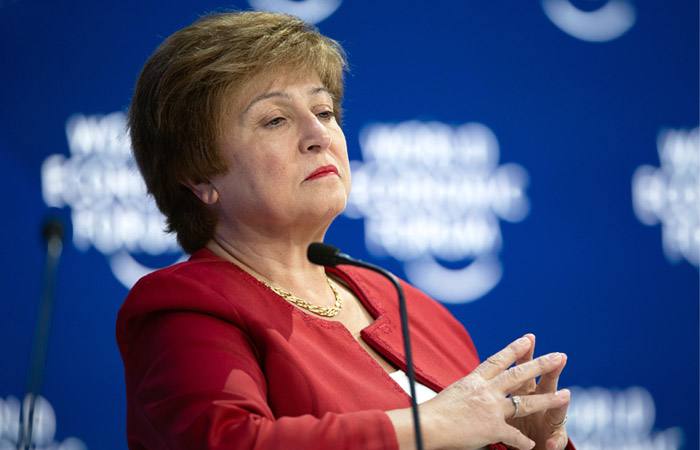
Kristalina Georgiyeva, managing director of the international valuta Foundation, visited Uzbekistan on 6 June to hold meetings with government officials. So, IMF-what kind of organization?
Uzbekistan joined the international valuta foundation on September 21, 1992. In September 1993, the IMF office will be opened in Tashkent. But by the end of the 90s, relations between the Government of Uzbekistan and the IMF begin to cool down. In the international market, the price of gold and cotton, which are considered the main export products of the country, becomes significantly cheaper. This causes the country to experience increased protectionism in valuta control and foreign trade policy. A big difference begins to arise between the formal course and the informal market course.
In 2001, Christopher Rosenberg, acting as the representative of the international valuta Foundation in Uzbekistan, informs that the activities of the foundation's office in Uzbekistan will be suspended due to the unstable policy of the Karimov government and the growing economic isolation.
After the exchange of power in Uzbekistan, relations with the IMF begin to improve, as with other international organizations. Since September 2017, the procedure for freely setting the valuta course based on supply and demand has been introduced. On September 19 of the same year, a bilateral meeting was held between the president of Uzbekistan Shavkat Mirziyoyev and the managing director of the IMF Kristin Lagard, and several agreements will be reached.
What kind of organization is the IMF?
The international valuta Foundation, a specialized UN organization, was established on 22 July 1944 at a conference in Bretton Woods with the aim of regulating valuta-finance relations. It started its operations from March 1947. Today, 190 organizations are members, and the financial reserves of the IMF are formed in exchange for the contribution money of these states. The membership fee is determined based on the relative size of the economies of the countries.
The main tasks of the IMF:
to control the strictly defined valuta course procedure between countries and, through this, to help national governments manage valuta courses, to promote the stability of the Valuta course;
achieving macroeconomic stability and helping to reduce poverty;
creating favorable conditions for the expansion and balanced growth of international trade;
provide member countries with fixed-term financial resources to restore their balance of payments, as well as reduce the duration and amount of their international balance of payments deficit;
elimination of restrictions on the creation of a system of multilateral payments and the replacement of valuta, which impedes the development of World Trade;
to provide assistance and recommendations to reduce poverty levels in member countries.
Since 1 October 2019, the managing director and chairman of the Executive Board of the organization has been Kristalina Georgiyeva, a Bulgarian economist and professor, a specialist in sustainable development.