








- 7
- 05.10.2023 12:03:00
- 2 min read
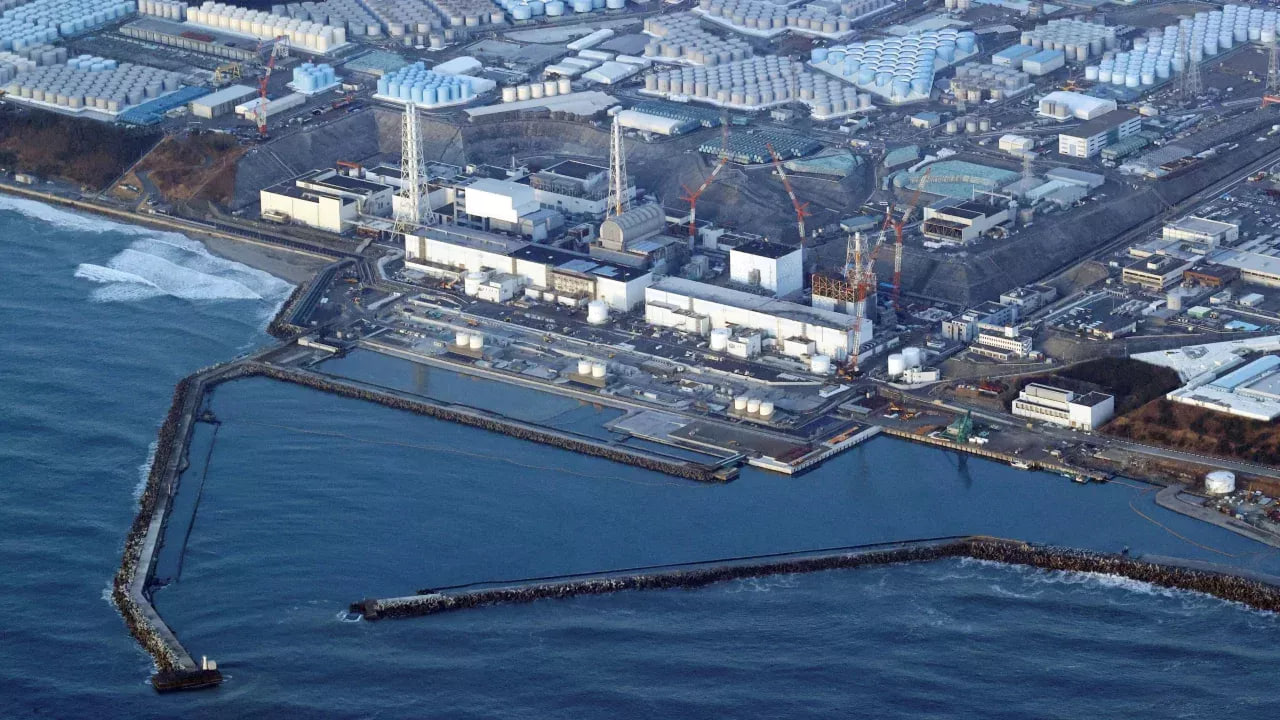
Tokyo Electric Power Company (TEPCO), the operator of Japan's Fukushima-1 nuclear power plant, has begun discharging a second batch of radioactive water from the nuclear power plant into the ocean. This was reported by NHK TV based on TEPCO's statement.
The company plans to release about 7,800 tons of purified water (a total of ten tanks) into the ocean for 17 days. The water is mixed with seawater before spillage — 1.2 tons of seawater is added to one ton of water in the NPP.
The first batch of water from the Fukushima nuclear power plant began to be released into the ocean on August 24.
China is against dumping water from the Fukushima nuclear power plant into the ocean
After the disaster caused by the earthquake and tsunami in 2011, more than 1,000 water reservoirs used to cool the damaged reactors at the Fukushima nuclear power plant accumulated, which is about 1.3 million cubic meters of water. According to the Japanese authorities, all reservoirs will be full by the beginning of 2024.
The water stored in them is thoroughly purified, but it still contains tritium, a radioactive isotope of hydrogen, which does not disappear without a trace. The Japanese government says that it is necessary to pour this water into the sea, noting that this is a common practice in other nuclear power plants around the world.
China is strongly opposed to dumping water from NPP into the ocean. The Chinese ambassador called this program wrong and said that Japan should stop the program and first consult with neighboring countries. On July 4, the head of the International Atomic Energy Agency (IAEA), Rafael Grossi, visited Japan and approved the decision to dump the water into the ocean. He noted that the discharge will not have a significant impact on water quality, fish and nearby settlements.
In late August, Japanese Prime Minister Fumio Kisida and several ministers publicly ate fish caught after the Fukushima nuclear power plant spilled into the ocean.
Source: Daryo.uz