







- 6
- 27.09.2023 09:43:00
- 4 min read
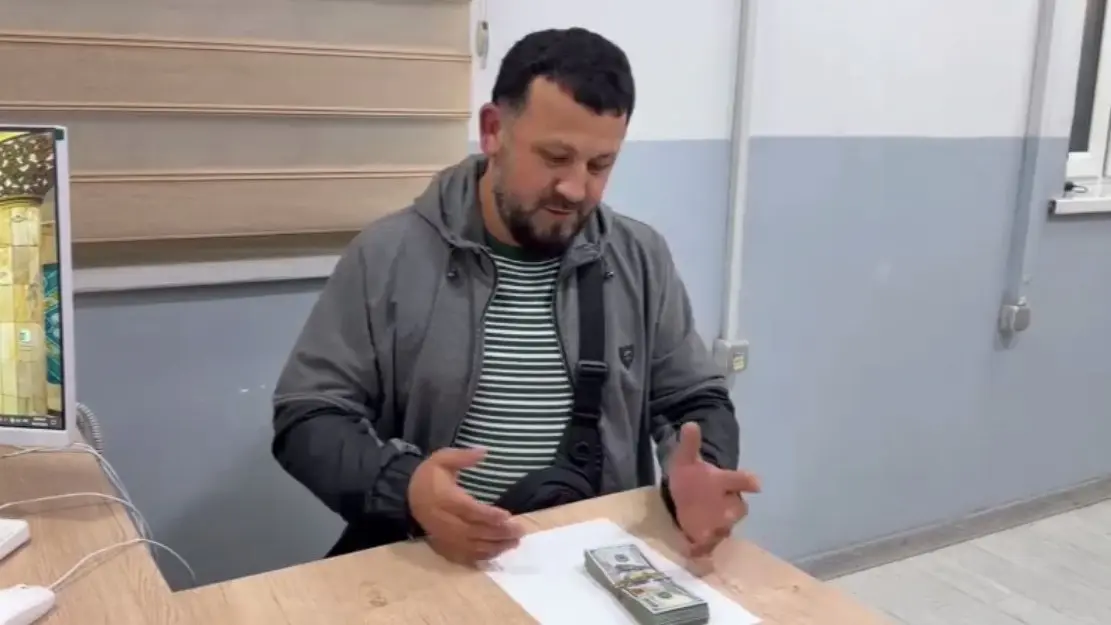
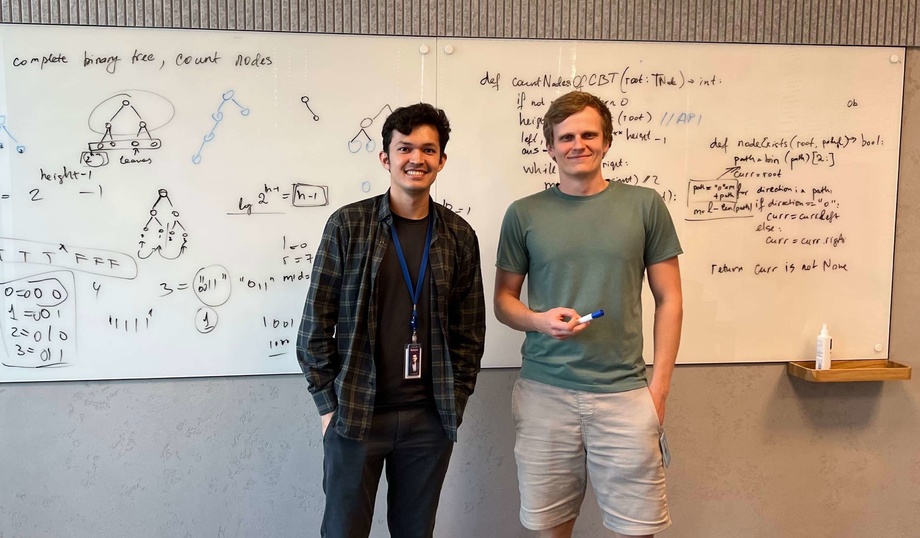
Recently, a young programmer from Uzbekistan Azimjon Polatov joined the ranks of our compatriots who received a job offer from the prestigious Google company. For information: Azimjon Polatov is currently working at Amazon. He himself tells the story of how the process of getting a job at Google went. I got this message from Google yesterday. In the message, it was mentioned that the interview went well and he sent a job offer. That means it's time to Google instead of Google at work. I submitted it to Google two weeks ago. In exactly two months, I will be joining Google Cloud's Kubernetes (k8s) team. When I was using k8s three years ago, I never imagined that one day I would be working on k8s. Hard work and constant effort paid off. Stage 1: "Let's code together this summer" "Let's code together in the summer" has played a big role in getting offers from FAANG companies. I have been organizing YBKY classes for 3 years, and every year after this mentorship, I received an offer from Facebook in 2021 and from Amazon in 2022. In 2023, Google joined the list of bidders. This is not a coincidence. The ability to teach and explain is one of the most important skills for a good programmer. That's exactly what "Let's Code Together Over the Summer" gave me. Algorithms are more difficult to explain than to understand. Phase 2: Algozon & Algothon My colleagues at Amazon and I created a group called Algozon to strengthen algorithms - we stayed after work and solved problems for 10 days. We also organized an Algothon (algorithmic marathon) on the weekend. If a marathon runs 42 km, we solved 42 algorithmic problems in Algothon. It was very useful. Step 3: Googler Recommendation I am skeptical about the recommendations when handing over to large companies - they probably won't be of much use. I gave referrals to 20 people in the last 1 year on Amazon, unfortunately, not one person even made it to the interview. At Google, the situation is different. I did the right thing by handing it in on the recommendation of brother Vahid. The recruiter said that he came through a referral, and because of that referral, we would skip the phone screening interview. Step 4: On-site, face-to-face interviews All four interviews can be divided into 1 or 2 days - I preferred to take them in 1 day. It's okay to be tired, especially if you haven't slept well. I started the first interview well. I started giving several algorithms to the problem one after another. The interviewer said he liked the solution and said I could write the code. When it came to writing code, I got so excited that I couldn't write code. Even writing logic that checks for a simple 2-interval intersection somehow got stuck. The 45 minutes flew by too quickly, leaving no time to complete my solution. The second interview was full of "behavioural" questions, which check behavior, what would you do in different situations. It is in this round that "googliness" is tested. After the third and fourth interviews, the excitement disappeared and I began to feel free. I solved the problems, wrote the code and tested it. The talks went well. Even though time ran out in the last interview, I stayed a little longer and asked the questions I was interested in. Instead of saying "goodbye", they said "see you later". Step 5: Bargaining The interview was held on Friday, but on Monday the recruiter contacted me and asked if the interview went well and how much salary I was expecting. On Thursday, he sent an offer. The first offer is not the best. Therefore, I asked them to increase the cash part of the salary by 4.5 percent, and a little later the recruiter sent an updated offer. When giving the requested salary, programmers: Why didn't I ask more? When negotiating, it's better to say a price you'll be happy with, not a price you'll agree to. Don't accept an offer without haggling. Finally, Google's was added to Amazon, Facebook and Bloomberg's offers. Guys, we won!
Source: Khabar.uz