







- 0
- 02.11.2026 18:36:00
- 4 min read
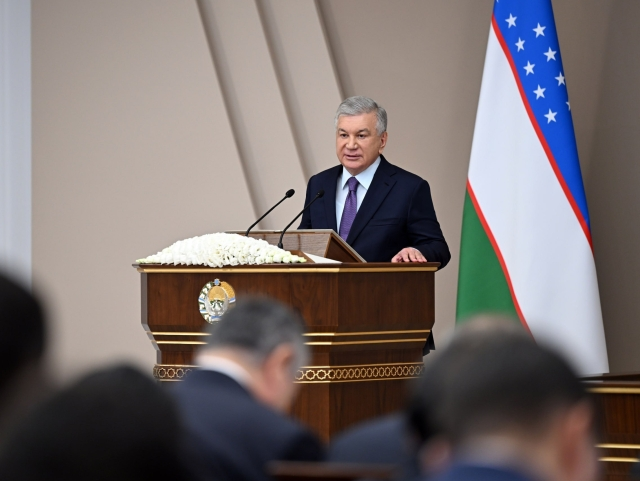
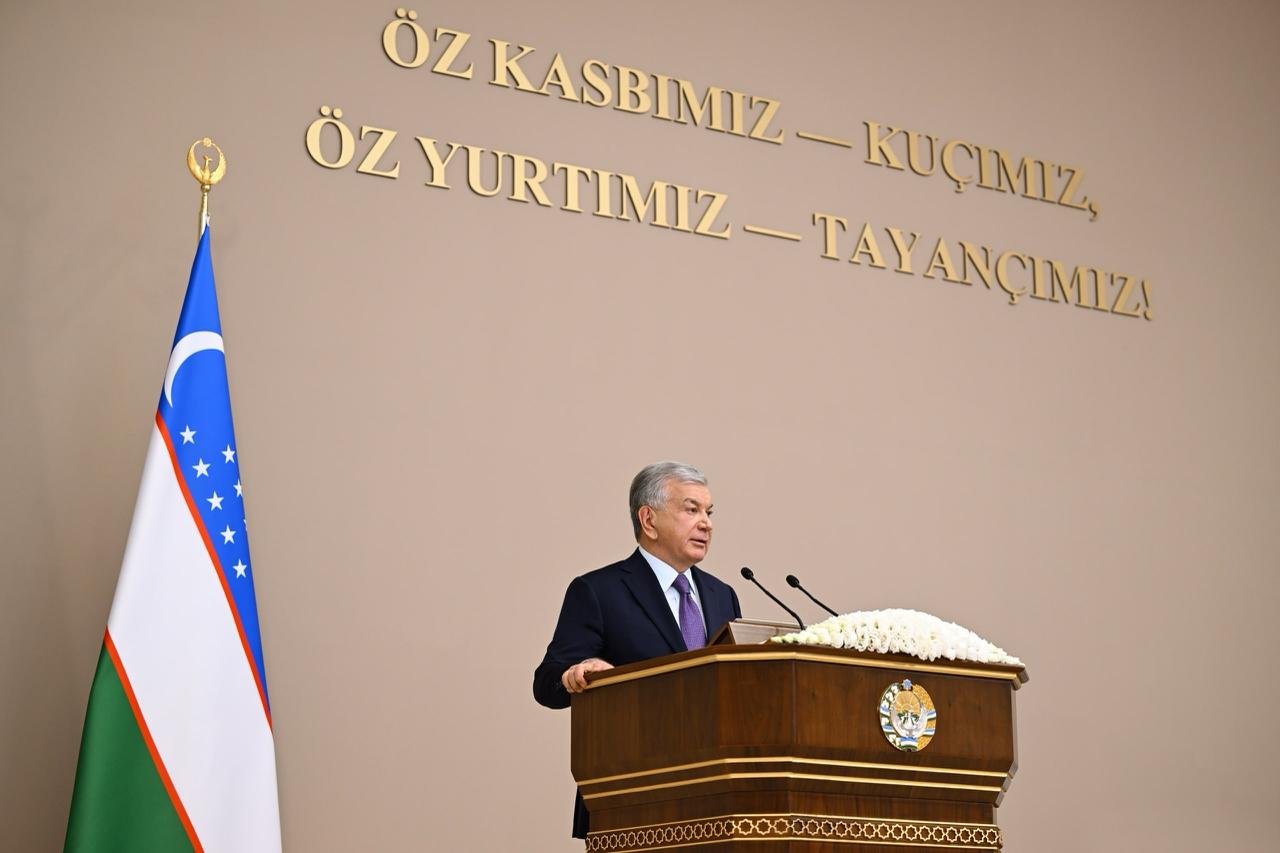
At a meeting dedicated to issues of labor migration, President Shavkat Mirziyoyev outlined the following key changes and tasks:
▪️ By 2027, a unified migration center will be opened in every region. To this end, 8 billion soums will be allocated to each region;
▪️ By 2027, 10,000 citizens will receive vocational training and German language instruction, followed by placement in jobs in Germany. 500 native speakers will be recruited to teach German in schools and technical colleges;
▪️ It was emphasized that 2–3 technical colleges in each region must provide instruction in both a vocational trade and the German language. The state-commissioned quota for training German language teachers at higher education institutions will be doubled;
▪️ Twenty technical colleges will be selected within a month and, starting next year, will have their curricula adapted to the requirements of foreign employers. Companies from Germany, Japan, and South Korea have expressed interest in training personnel and providing equipment for these institutions;
▪️ Plans are in place to transfer the management of 2–3 technical colleges in each region to major entrepreneurs for a period of 15 years. Through this initiative, at least 30,000 qualified specialists will be trained annually. Graduates will be issued a state-recognized professional qualification certificate. ▪️ Expenses incurred by entrepreneurs for personnel training and the purchase of equipment will be deductible from taxes paid. A grant will be allocated for every graduate who secures a good job abroad;
▪️ By 2027, the task of sending citizens to work abroad will be fully transferred to the most reliable private employment agencies. Agencies will receive an incentive payment of 1.5 million soums for each citizen placed in a high-income job;
▪️ Portions of technical college (tekhnikum) facilities will be provided rent-free for the purpose of training youth in vocational skills and languages. For teachers and experts recruited from abroad, the social tax rate will be set at 1%, and educational equipment will be exempted from customs duties;
▪️ A rating system for private employment agencies will be established. Key criteria for this rating will include the actual job placement of citizens, their income levels, and the protection of their rights and social security;
▪️ By 2027, two major international recruitment companies will begin operations in Uzbekistan. They will focus on training specialists and placing them directly into jobs abroad;
▪️ Information regarding job vacancies abroad will be disseminated down to the local community (mahalla) level. ▪️ Citizens wishing to work abroad will be registered on the “Online Mahalla” platform, which will oversee their vocational and language training, as well as the job placement process;
▪️ Citizens who encounter difficulties while abroad will be able to seek assistance through the “Online Mahalla” platform. In necessary cases, an ambassador may personally intervene to protect the citizen’s rights;
▪️ The recognition of work experience gained abroad and associated pension rights will be expanded. Agreements to this effect have already been signed this year with Kyrgyzstan, Azerbaijan, and Turkey. Similar agreements are also being pursued with Russia, Germany, Japan, South Korea, the Baltic states, and the Balkan nations;
▪️ A unified platform will be established to track the professional background, employment history, and work experience of citizens returning from abroad. A target has been set to secure suitable employment for 250,000 individuals who have returned from migration by the end of the year;
▪️ A platform to monitor the places of residence and employment of foreign nationals residing in Uzbekistan for extended periods will be launched within one month. It has been emphasized that priority must be given to placing Uzbek citizens in newly created job openings.