







- 18
- 15.10.2025 11:28:00
- 4 min read
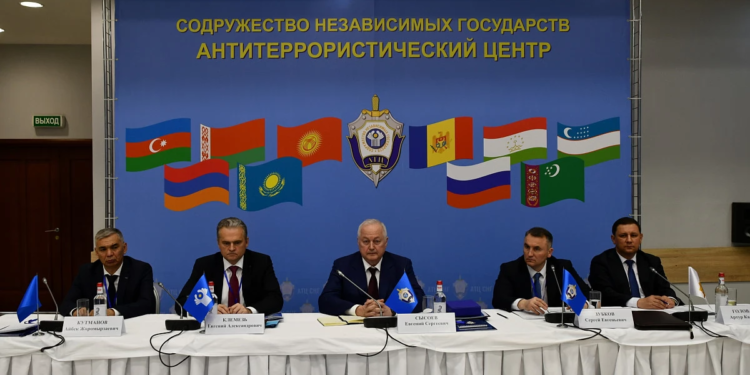
In June 2025, the Anti-Terrorism Center of the Commonwealth of Independent States (CIS ATC) marked its 25th anniversary. The head of the Center, Yevgeny Sergeyevich Sysoyev, spoke about the goals behind its establishment and the key achievements over the past quarter century.
The decision to create the Center was made under challenging conditions for the CIS countries. In 1999, several terrorist attacks occurred in Russia, claiming the lives of more than 300 civilians. That same year, clashes broke out between government forces and militants in southern Kyrgyzstan.
In this context, it became clear that only by pooling resources and coordinating efforts could the CIS countries effectively counter international terrorism, armed separatism, and other forms of extremism. This position was formally expressed in a communiqué addressed to the heads of CIS member states during the October 1999 meeting of the Council of Ministers of Internal Affairs in Kyiv.
By January 2000, during a summit of CIS heads of state, discussions were held on organizing joint efforts against international terrorism, in light of the outcomes of the OSCE Istanbul Summit held in November 1999. A decision was made to develop a targeted program to combat international terrorism and extremism, and to establish a unified anti-terrorism center. This decision reflected the shared understanding of the need to form a common counter-terrorism doctrine and a coordinated mechanism for its implementation, taking into account the national interests of all CIS member states.
Six months after the initial decision, on June 21 in Moscow, CIS heads of state adopted key documents, including the creation of the Anti-Terrorism Center and a joint program to combat terrorism and extremism through 2003.
The Center’s main task was to establish a solid legal and organizational foundation for coordinated anti-terrorism efforts, which was successfully achieved.
Among the Center’s contributions are:
-
The 2005 CIS Cooperation Concept on Counterterrorism
-
The 2007 Agreement on Countering Money Laundering and Terrorism Financing
-
The 2013 Agreement on Protecting Classified Information
-
The 2017 Agreement on Information Exchange in Counterterrorism
The ATC also develops three-year cooperation programs reflecting current threats. In collaboration with the CIS Interparliamentary Assembly, over 100 model laws have been adopted, including:
-
Amendments to the model criminal code
-
Laws on border security and anti-terror operations
-
The first CIS Model Law on Border Security
In 2024, Uzbekistan initiated the CIS De-radicalization Program (2025–2027), adopted at the Moscow summit. It targets youth and minors vulnerable to extremist ideologies.
The ATC coordinates security agencies, hosts annual meetings of national anti-terrorism centers (since 2008), and regional expert consultations in Central Asia (since 2011). It also runs a permanent coordination council with CIS representatives.
Since 2023, the CIS Conference on Counterterrorism and Extremism is held on a rotating basis. The first was in Kyrgyzstan; the second, in 2024, was a major forum in Tashkent, merging CIS and SCO efforts.
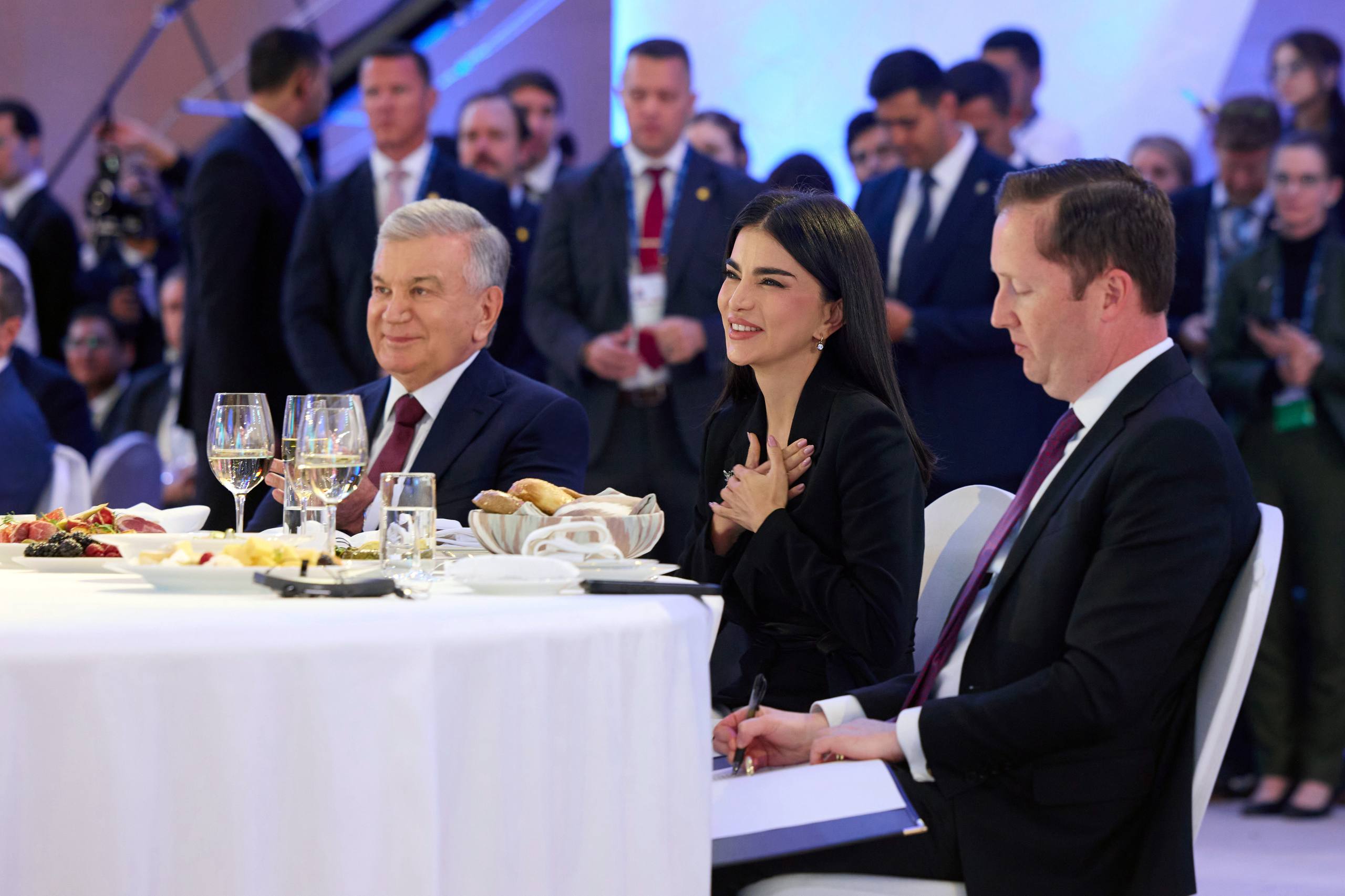
Uzbekistan consistently shows high-level engagement in ATC events. Joint exercises have been held in 9 countries, focusing on threats to transport, energy, and critical infrastructure.
The ATC publishes over 20 analytical reports annually, focusing on youth prevention, drone threats, and infrastructure protection. It also supports training programs for anti-terror specialists.
Internationally, the Center collaborates with UN bodies, Interpol, and the Council of Europe, and holds observer status in key organizations. It contributes to UN Security Council resolution monitoring and global counterterrorism efforts.
A key platform for cooperation is the Scientific and Advisory Council (SAC) under the CIS Anti-Terrorism Center, which brings together scholars and experts from CIS member states. The SAC includes specialists in law, history, philosophy, political science, as well as representatives of CIS bodies and research institutions. Its activities help integrate theoretical knowledge with practical experience to address specific challenges in countering terrorism and extremism.
Thus, despite geopolitical turbulence, the CIS has not only preserved but also strengthened its capacity for coordination and cooperation among competent authorities in the fight against terrorism and extremism.
A clear confirmation of this will be the upcoming 57th meeting of the Council of Heads of Security Agencies and Special Services of CIS Member States, scheduled for October 16, 2025, in Samarkand.