







- 6
- 11.05.2023 12:59:00
- 2 min read
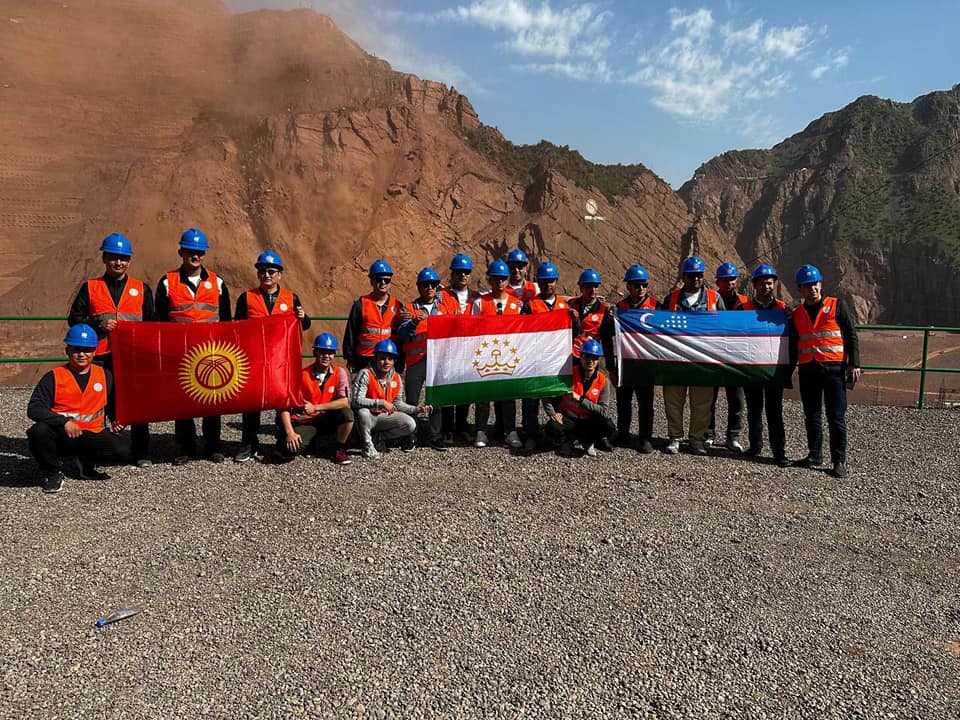
The expedition, in which young specialists and scientists from Central Asian countries got acquainted with the results of the impact of climate change in the Amu Darya River basin, was successfully completed recently in Tajikistan. This was reported by the Executive Committee of the International Fund for Saving the Aral Sea.
Starting from the dried bottom and forest plantation zones of the Aral Sea, the expedition members visited important water, energy, environmental and protected natural sites of the countries of Central Asia (Uzbekistan, Turkmenistan, Tajikistan).
They traveled a path with a length of more than 3500 km, visiting the Western Sea, the BVI (Basin Water Management Organization) "Amu Darya" in the city of Urgench, the Amu-Bukhara Machine Canal, as well as the Rogun hydroelectric power station, the Nurek reservoir, the State Nature Reserve "Tigrova Balka" and other objects.
The expedition was organized by the Executive Committee of the International Fund for Saving the Aral Sea with the support of the USAID Regional Water and Environment Project and is aimed at raising awareness among young specialists of Central Asian countries on water resources management and distribution in the region.
As part of the expedition, the participants visited not only water, energy and environmental facilities, but also various cities and villages, where they learned about the local customs and traditions of Central Asia.
Participants were given the opportunity to learn about methods and measures taken to combat and mitigate climate change in the region, as well as the efficient use of water resources and the promotion of international cooperation and cooperation.
As part of the expedition, the participants took part in a conference dedicated to the day of the Amu Darya River, which was held in the city of Nurek, Republic of Tajikistan. The conference aimed to highlight the role and importance of the river and its impact on the lives of people living in the region. The need for closer cooperation between different stakeholders in the management and protection of water resources in the region was emphasized.
The expedition lasted 12 days and ended with a round table in Dushanbe, where each member of the expedition had the opportunity to share their impressions.
Source: Khovar