








- 0
- 12.03.2026 19:19:00
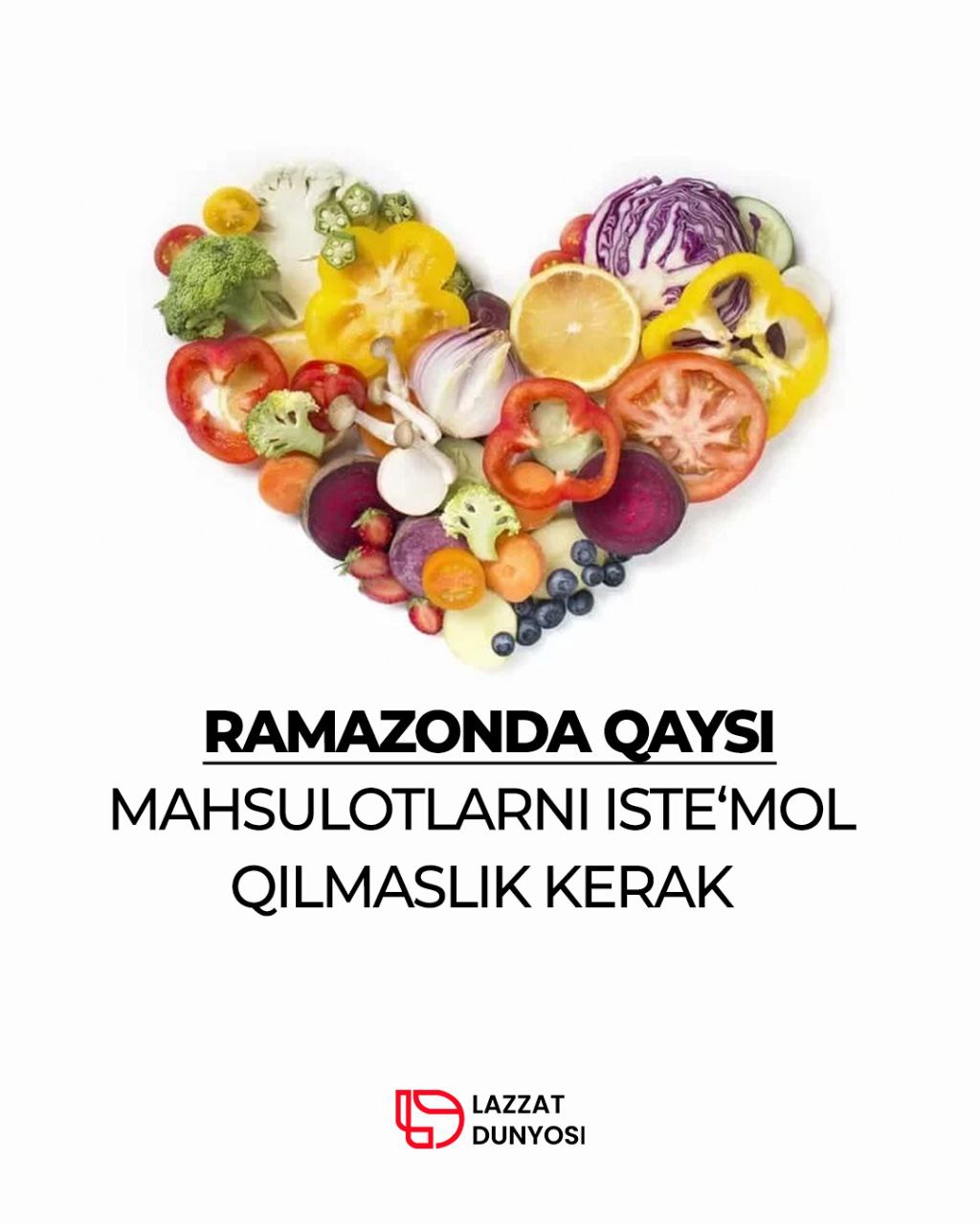
What foods should be avoided during Ramadan?
During Ramadan, Muslims fast from dawn to sunset, abstaining from food and drinks throughout the day. Because of this, choosing the right foods during suhoor (pre-dawn meal) and iftar (meal after sunset) is very important. Some foods may cause thirst, digestive issues, or fatigue during fasting hours.
Salty foods
Highly salty foods can cause dehydration and make a fasting person feel very thirsty during the day.
Examples include:
-
pickled vegetables
-
smoked meat products
-
salty snacks like chips
These foods are especially not recommended for suhoor.
Fatty and fried foods
Fried and fatty foods are heavy for the stomach and can slow down digestion.
Examples include:
-
fried potatoes
-
oily meat dishes
-
fast food
These foods should also be limited during iftar.
Sugary foods
Sugary foods quickly raise blood sugar levels and then cause them to drop rapidly, which may lead to hunger and fatigue.
Examples include:
-
cakes and pastries
-
chocolate
-
sugary desserts
Carbonated drinks
Carbonated drinks may cause bloating and stomach discomfort. They can also contribute to dehydration.
Examples include:
-
cola and other soft drinks
-
energy drinks
Drinks with high caffeine
Caffeine increases fluid loss in the body, which may lead to dehydration during fasting.
Examples include:
-
strong coffee
-
energy drinks
-
very strong tea
Conclusion
Maintaining a balanced and healthy diet during Ramadan is essential. Limiting salty, fried, fatty, and sugary foods can help the body stay energized throughout the fasting day. It is recommended to consume more fruits, vegetables, water, and light meals during suhoor and iftar.
