








- 1
- 15.10.2026 11:31:00
- 1 min read
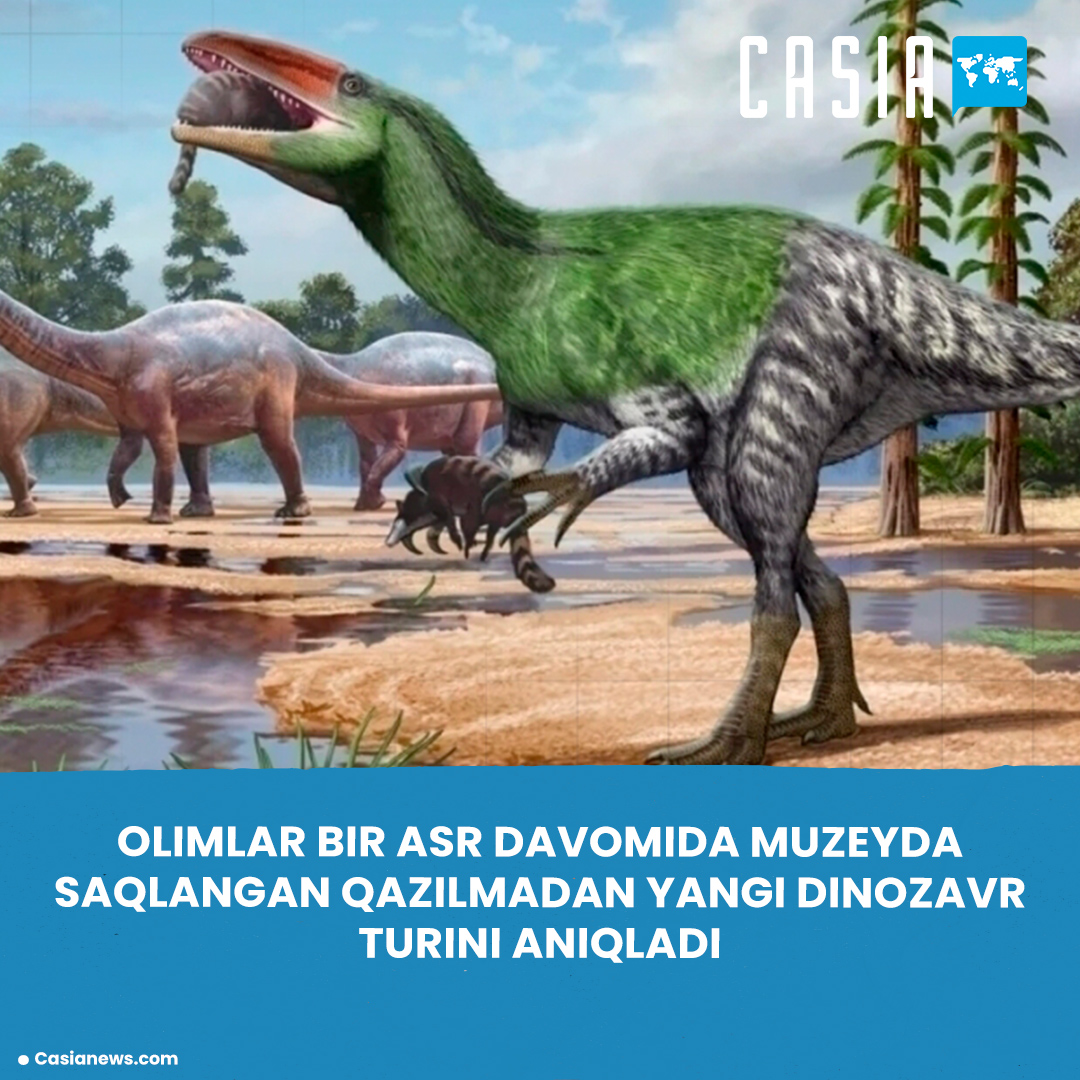
Fossilized remains discovered over a century ago on the Isle of Wight in the United Kingdom have been identified as belonging to a previously unknown species of dinosaur. The BBC reported this, citing the results of the study.The predatory dinosaur, named *Invictibellatrix amberina*, lived approximately 120 million years ago. It measured 3–4 meters in length and stood slightly over 1.5 meters tall. Scientists estimate that it possessed long arms and curved claws measuring 10–20 centimeters. The fossil was donated to the Natural History Museum in London in 1924 but remained unstudied in detail for a long time. By analyzing the remains using computed tomography (CT) scans and three-dimensional modeling, researchers determined that it is a new species belonging to the megaraptoran group. According to the scientists, this discovery serves as significant evidence that megaraptorans once inhabited Europe. Dinosaurs in this group were carnivorous and attacked their prey using their long arms and large claws. Researchers note that many new species can still be identified by re-examining fossils that have been kept in museums for many years.