





- 5
- 17.03.2026 17:27:00
- 3 min read
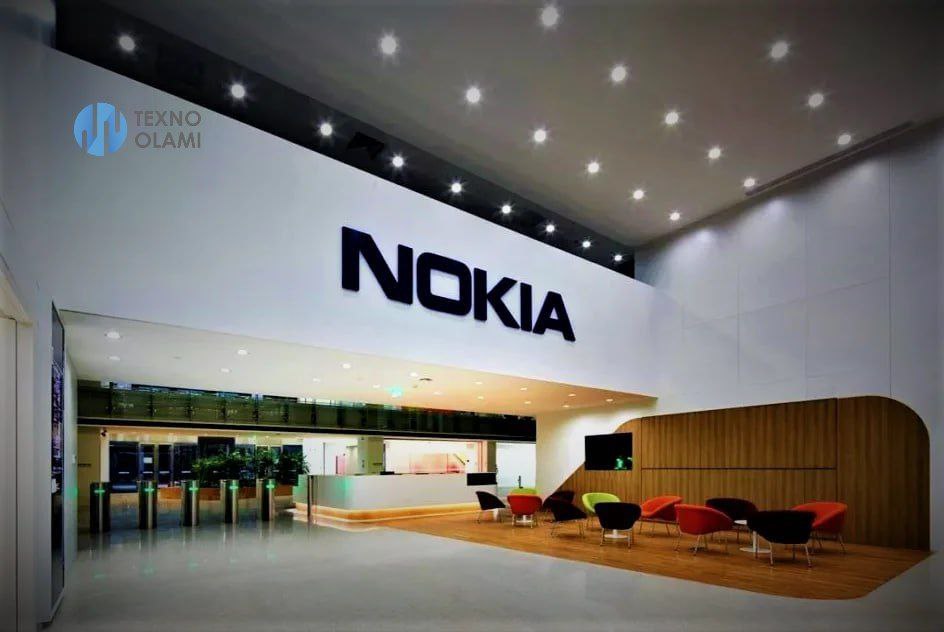
Once, the name Nokia was synonymous with the mobile phone industry. In the 1990s and early 2000s, the company was not only a market leader but also a symbol of innovation. Its devices stood out for their durability, long battery life, and unique designs. Most importantly, Nokia was able to see the future—but failed to fully realize it.
Futuristic Ideas: Innovations Ahead of Their Time
Nokia had moved toward the concept of smartphones much earlier than many realize. Its Symbian operating system was highly advanced for its time, offering multitasking, app installation, and even internet access.
The company also worked on conceptual devices, including flexible and unconventional designs—ideas that closely resemble today’s foldable smartphones. In other words, Nokia truly had a vision of the future.
The Smartphone Revolution: A Game-Changer
In 2007, the release of the iPhone marked a turning point in the mobile industry. Apple introduced a new paradigm centered around touchscreens, intuitive interfaces, and app ecosystems.
Shortly after, Android emerged, led by Google, rapidly gaining popularity as an open platform. This allowed many manufacturers to enter the market.
From that point on, phones were no longer just communication tools—they became full-fledged mini-computers.
Nokia’s Mistake: Slow Decisions and Strategic Missteps
Nokia’s main problem was its inability to adapt quickly to a rapidly changing market.
-
The company relied too long on Symbian, which struggled to adapt to touch interfaces.
-
It lagged behind competitors in user experience (UX).
-
One of the biggest strategic moves was partnering with Microsoft and switching to the Windows Phone platform.
While Windows Phone was not technically bad, its weak app ecosystem failed to attract users. As a result, Nokia rapidly lost its market share.
The End of an Era
In 2013, Nokia sold its mobile division to Microsoft. This marked the end of its era as an independent player in the smartphone market.
Nokia Today: The Brand Remains, the Spirit Fades
Today, the Nokia brand is licensed by HMD Global, which produces Android-based smartphones. However, these devices no longer make a significant impact on the market.
Modern Nokia:
-
produces reliable and simple devices
-
but is no longer an innovation leader
-
follows the market instead of shaping it
Conclusion
Nokia’s story is an important lesson in the tech world:
Seeing the future is not enough—you must execute it quickly and correctly.
Nokia was one of the pioneers of innovation, but it failed to bring its vision to completion. As a result, a company that once dominated the market became part of history.