







- 3
- 24.06.2023 07:38:00
- 3 min read
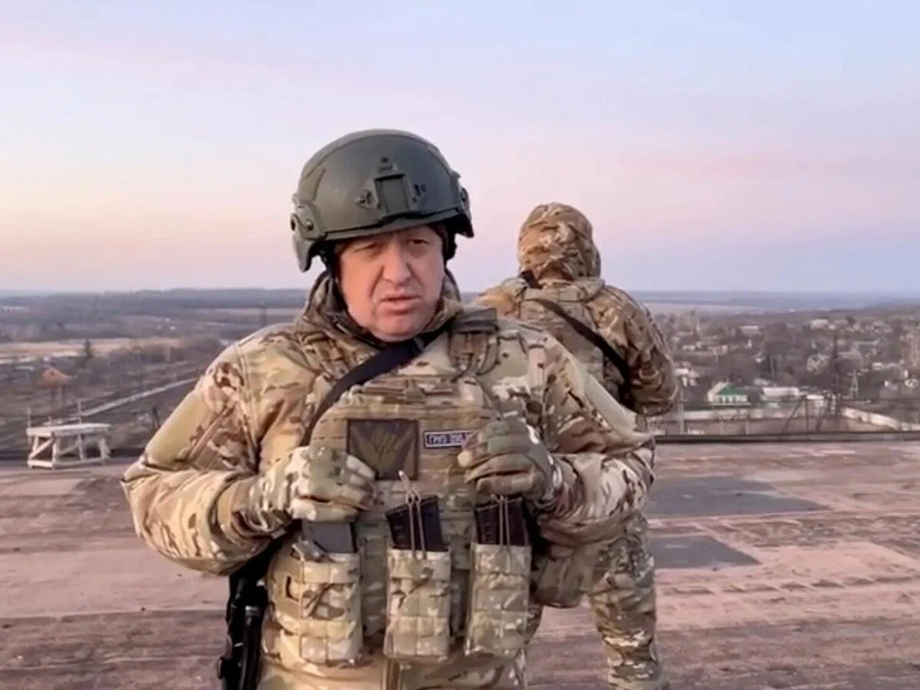
The head of Russia’s Wagner mercenary group Yevgeny Prigozhin was charged with “inciting an armed uprising” and military vehicles were deployed to the streets of Moscow and Rostov-on-Don after he made an extraordinary threat to “stop” Russia’s top military brass.
Prigozhin on Friday accused Russia’s military leadership of ordering strikes on Wagner’s camps and killing a "huge" number of forces.
In a tirade against the Defense Ministry, with whom he has been feuding publicly for months over the handling of the war in Ukraine, Prigozhin, 62, said Wagner's leadership had determined that "the evil that the military leadership of the country brings must be stopped."
Hours later, Russia’s Federal Security Agency (FSB) had filed criminal charges against Prigozhin for "inciting an armed uprising."
The charges are punishable by 12 to 20 years in prison.
"Prigozhin’s statements and actions amount to calls for the start of an armed civil conflict on Russian territory and are a ‘stab in the back’ for Russian servicemen fighting pro-fascist Ukrainian forces," the FSB said in a statement carried by state agencies.
Kremlin spokesman Dmitry Peskov said that President Vladimir Putin was aware of the "unfolding situation" around Prigozhin and that "all necessary measures" were being taken.
Shortly after 2:00 a.m. Prigozhin claimed Wagner's forces had "crossed all state borders" and entered the southern Rostov region, where he said Defense Minister Sergei Shoigu was located.
"The Defense Ministry units which were sent to block our path stood aside. ... We will destroy everything that gets in our way. We are going onwards and we will go to the end," he said in a new audio message.
High-ranking Russian officials who spoke to The Moscow Times on condition of anonymity warned against drawing premature conclusions as the situation is developing under the “fog of war.”
But a source close to the Kremlin said that Prigozhin's threats of revolt were the result of the competing military power structures that had emerged amid Russia's war on Ukraine.
"The problem is that in the case of Prigozhin, we got a classic example of two armies and many decision-making centers in the system," the source told The Moscow Times.
"The concern that this would cause problems was debated at meetings in the Kremlin and in the government. But the state management system in Russia has a lot of inertia — most in the Kremlin would throw up their hands, shake their heads and say, 'Yes, that's true. But it's not our business. Let others sort it out.’