







- 2
- 11.09.2026 10:22:00
- 2 min read
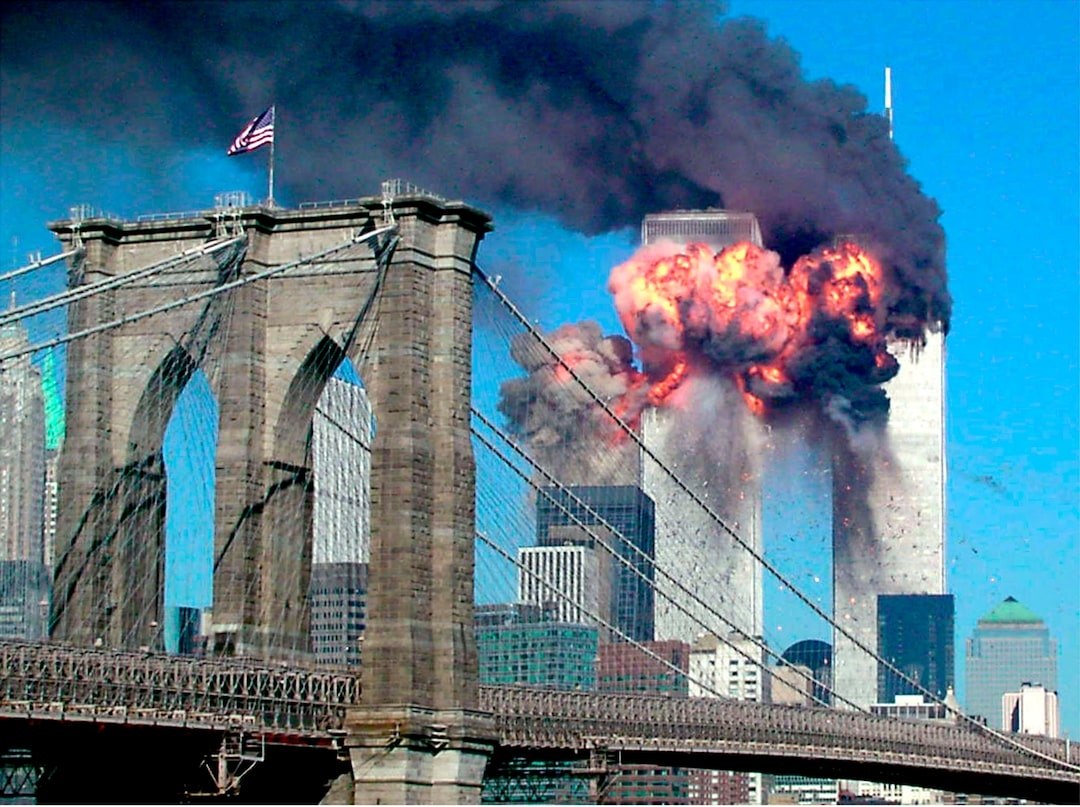
On September 11, 2001, one of the largest terrorist attacks in U.S. history took place. Nineteen terrorists linked to Al-Qaeda hijacked four passenger planes. Two planes struck the Twin Towers of the World Trade Center in New York, while another hit the Pentagon. The fourth plane crashed in Pennsylvania. A total of 2,977 people lost their lives in the attacks.
However, the consequences of September 11 were not limited to the United States. The global political and security landscape changed fundamentally following the event. The U.S. announced the launch of a global war on terror. A month later, in October 2001, the U.S. and its allies began a military operation against the Taliban government in Afghanistan. In 2003, a U.S.-led coalition invaded Iraq, citing claims that the country possessed weapons of mass destruction, including chemical and biological weapons. No such weapons were subsequently found. The war led to the overthrow of Saddam Hussein's regime.
Thus, the events of September 11, 2001, ushered in a new era in 21st-century geopolitics. The fight against terrorism, warfare, security policy, and international relations all entered a new phase in the wake of this event. Twenty-five years have passed. Yet, September 11 remains in history not only as the day that claimed the lives of thousands of people but also as the date that transformed the political landscape of the entire world.