








- 0
- 15.10.2026 11:15:00
- 1 min read
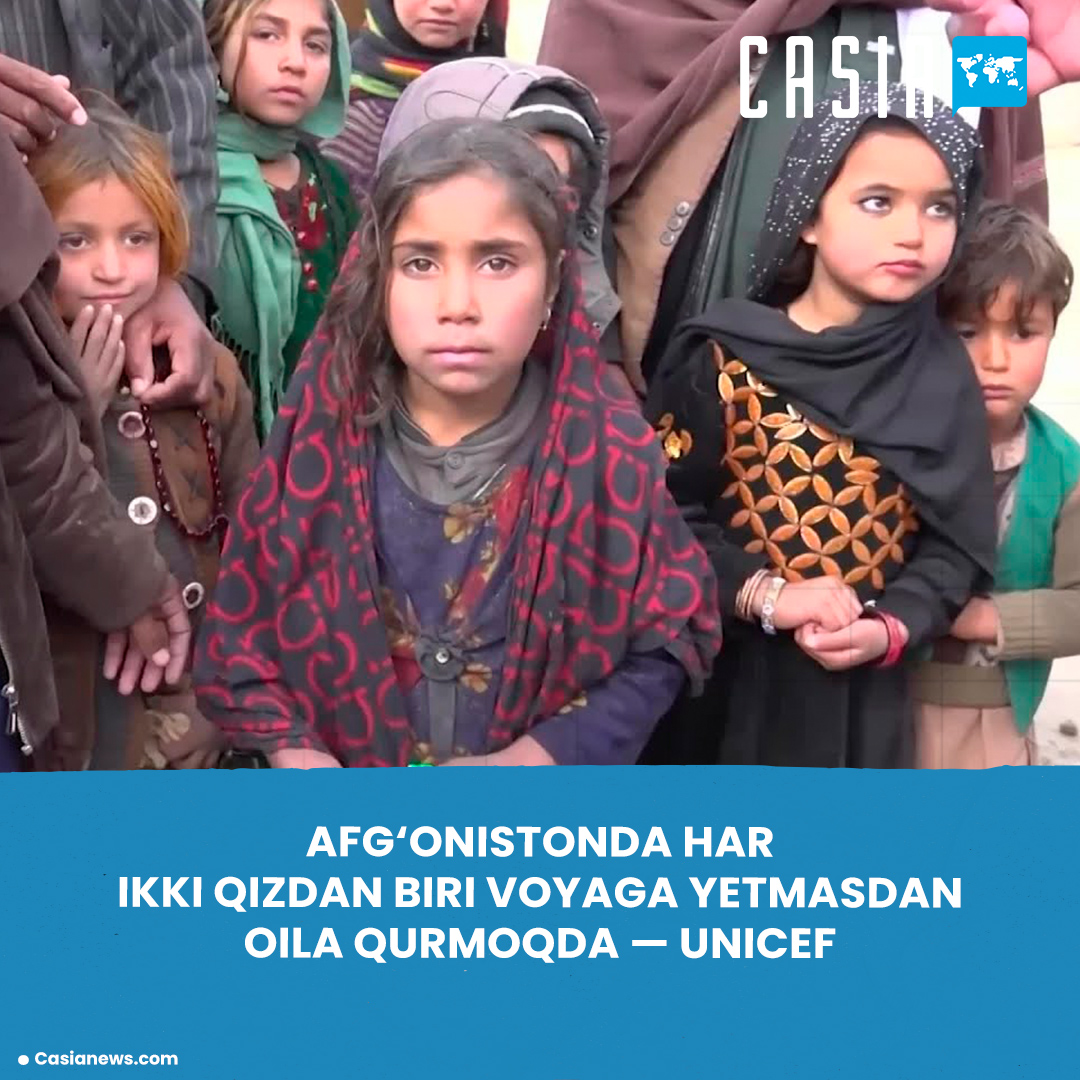
In Afghanistan, 28.7 percent of women aged 20–24 were married before the age of 18. In some regions, as many as one in every two girls enters into marriage before reaching adulthood. This was reported by UNICEF.

It is noted that early marriage negatively impacts girls' education and health, while also increasing the risk of violence and early pregnancy. The organization stated that, as of August this year, more than 2.6 million girls in Afghanistan have been denied access to secondary education. Since the Taliban administration returned to power in 2021, girls have been barred from attending school beyond the sixth grade, and as of December 2022, women have been restricted from pursuing university education.

UNICEF emphasized that the restrictions placed on women’s education and employment are also harming the country's economy. According to the organization’s projections, the current restrictions could lead to a shortage of up to 20,000 female teachers and 5,400 female healthcare workers by 2030. Economic losses are expected to reach approximately $84 million per year. UNICEF has requested that the Taliban administration restore girls' education beyond the sixth grade and strengthen measures to prevent early marriage.