





- 2
- 29.05.2026 15:42:00
- 3 min read
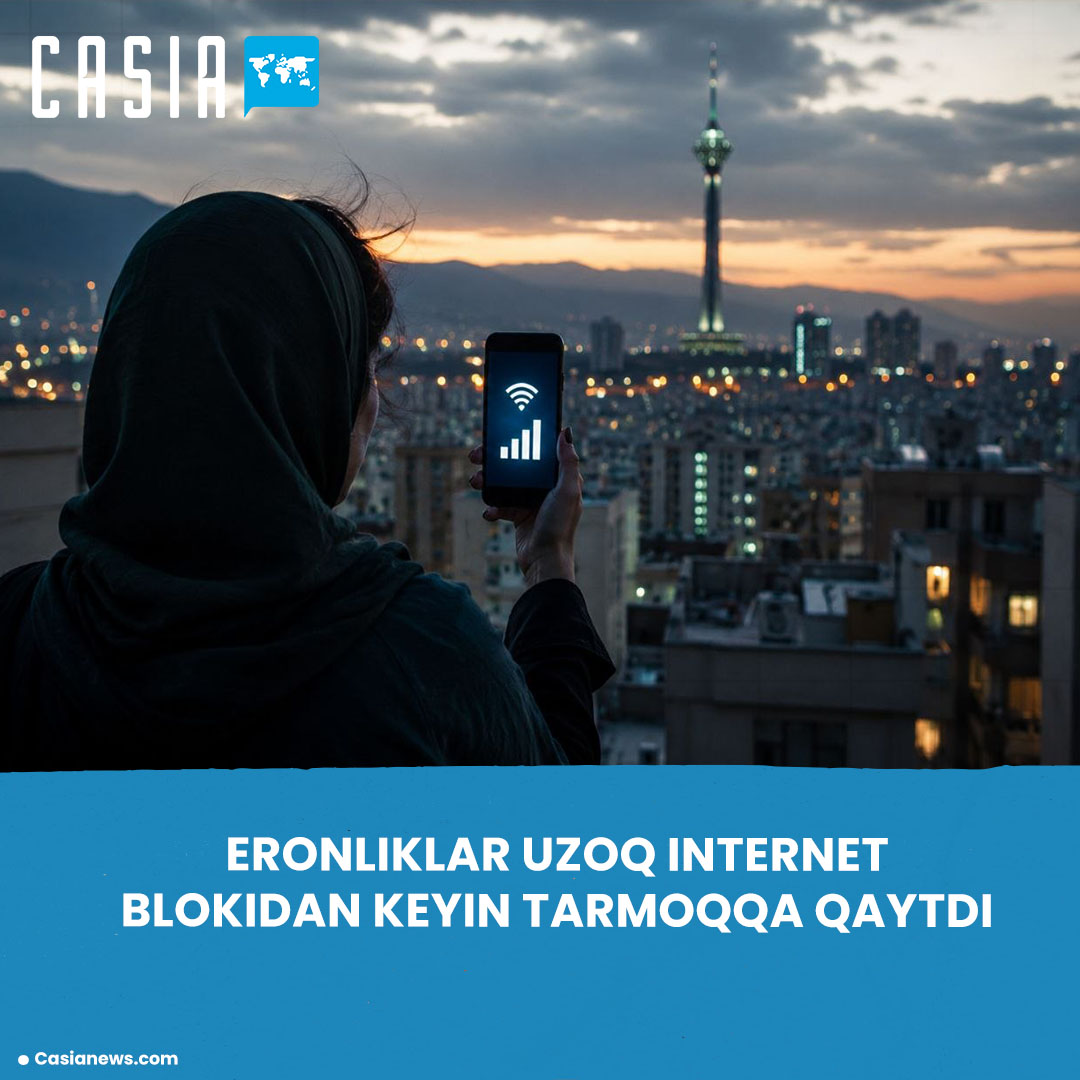
On May 26, the monitoring organization NetBlocks announced that internet access had been restored in Iran. The country had remained disconnected from the global internet for 88 days, or 2,093 hours. According to NetBlocks, this became the longest nationwide internet shutdown in Iran’s modern history.
This was not the first time the internet had been shut down in Iran. However, the latest restrictions lasted an unprecedented amount of time. Internet access was initially cut off on January 8, 2026, amid mass anti-government protests. Although some services were partially restored weeks later, the internet was fully blocked again on February 28 following attacks against Iran by the United States and Israel.
According to analysts, pressure on Iran’s economy was the main reason behind reconnecting the internet. Afshin Kolahiy, a representative of Iran’s Chamber of Commerce, said in April that the country was losing between $70 million and $80 million per day due to the shutdown. Communications Minister Sattar Hashemi stated that at least 10 million out of Iran’s 90 million residents rely on the internet for their work.
The shutdown also dealt a serious blow to thousands of businesses operating through social media platforms. Circumventing internet restrictions proved extremely difficult. Starlink satellite internet terminals became scarce, while VPN services grew significantly more expensive. In addition, using VPNs or Starlink carried the risk of arrest.
The partial return of the internet triggered mixed emotions among Iranians. Many welcomed it with relief.
“It felt like freedom after three months in prison. When I saw a website finally load, I almost cried from happiness,” one Iranian told a reporter from BBC.
A female artist from Tehran anonymously told The Guardian:
“I lit a cigarette, opened SoundCloud, and played our favorite music. We couldn’t hold back our tears. It felt like the kind of freedom you only experience after the regime falls.”
However, some reacted bitterly to the internet’s return. According to a photographer from Tehran, Western media portraying the partial restoration as a “major achievement” was absurd.
“The internet is our fundamental right. I couldn’t work for six weeks and had to borrow money from my parents,” he said.
Bloggers and content creators also reported heavy losses. A gamer from Isfahan told Associated Press that he had lost a large portion of his audience on YouTube and Instagram. Some bloggers reportedly sold their equipment and searched for other jobs just to survive.
Once the internet returned, many people began seeing the full consequences of the war for the first time. Social media quickly filled with videos showing destroyed neighborhoods, victims, and funeral ceremonies.
“Mothers are crying, fathers are screaming, children are lying on their parents’ graves. We were the main losers in this war,” a teacher living in Tehran told The Guardian.
Some Iranians responded with dark humor.
“Hello, fellow prisoners. I feel like I’ve been temporarily released from jail,” one user wrote online.
Experts believe that after the conflict with the United States and Israel, the Iranian government is unlikely to fully liberalize internet access. Instead, officials in Tehran are reportedly seeking to introduce a stricter digital control system similar to China’s model.