







- 12
- 18.05.2023 12:14:00
- 2 min read
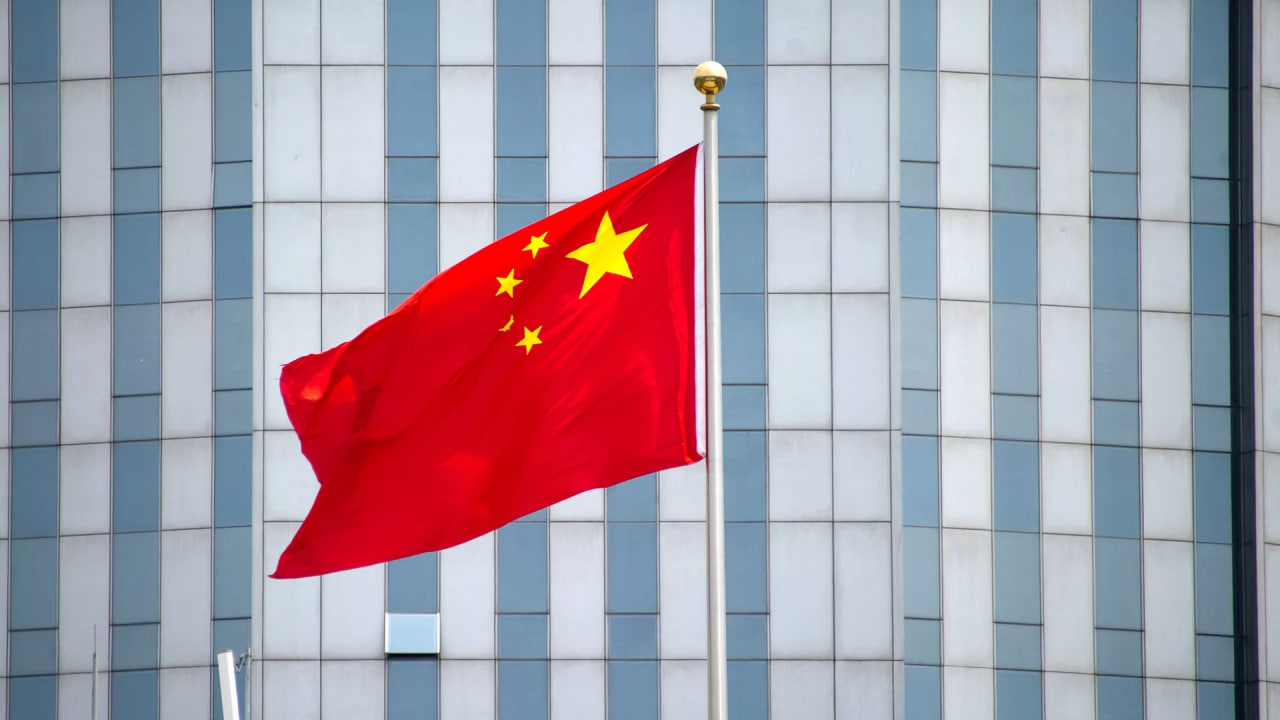
The format of meetings between the leaders of China and the countries of Central Asia will work for the long term, said Bakhtiyor Ergashev, director of the Ma'no Center for Research Initiatives in Tashkent.
According to him, in the conditions of geopolitical turbulence and geo-economic tension in the world, the format will not lose its relevance.
"The new format of meetings between China and Central Asia at the level of heads of state is a long-term project," Ergashev told RIA Novosti.
He also stressed that the summit of the leaders of the Central Asian region with the chairman of the People's Republic of China did not arise spontaneously.
The expert believes that China has gradually moved towards having its own dialogue of interaction with the 5 Central Asian countries.
Thus, the "China + Central Asia" format at the level of foreign ministers began to work in 2020 before the coronavirus pandemic.
"Why is this meeting now taking place? Because the tension in relations today exists not only between Russia and the bloc of Western countries led by the United States, but tensions between the States and China are growing very seriously, in particular, everything related to the status of Taiwan," he said. companion.
In the current sanctions wars, which threaten the region's interaction not only with Russia, but already with China, the countries of the region would not want to fall into the "trap" of secondary sanctions, Ergashev believes.
Tajikistan may increase trade with China to $3 billion
He concluded that "the logic requires these countries to define" the possibilities and limits of trade and economic relations with Russia and China in the tense conditions of recent days.
Recall that at the invitation of Chinese President Xi Jinping, the presidents of Tajikistan, Kazakhstan, Kyrgyzstan, Turkmenistan and Uzbekistan will pay state visits to China from May 16 to 20.
They will take part in the China-Central Asia summit from May 18 to 19, which will be held in the Chinese city of Xi'an.
Source: tj.sputniknews.ru