




- 9
- 19.07.2023 08:03:00
- 5 min read
The first summit of the leaders of the countries of the Persian Gulf and Central Asia starts there.
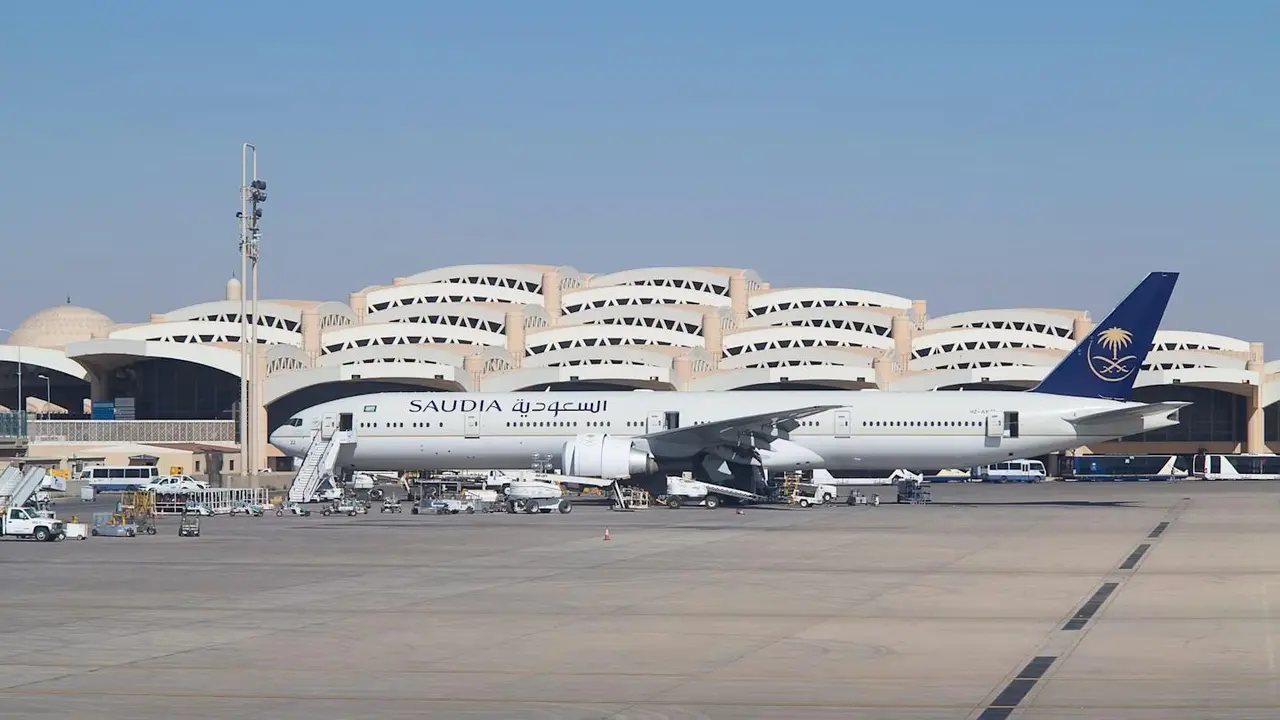
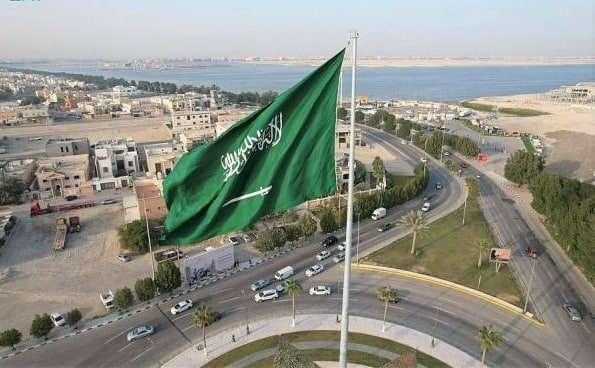
Today, on July 19, Jeddah will host the first summit of the heads of state of the Cooperation Council for the Arab States of the Gulf and Central Asia. Emomali Rahmon will take part in it along with other heads of state: he flew to Saudi Arabia on Tuesday evening.
This meeting will formalize the strategic dialogue that began thanks to the efforts of Dr. Noyif Faloh Al-Hajraf, Secretary General of the Arab Cooperation Council, during his visit to the countries of Central Asia in August 2022.
“The importance, directions and goals of this dialogue were specified on September 7, 2022 at a meeting of foreign ministers in Riyadh. From the point of view of Arab experts and observers, Central Asia is a relatively new region for wealthy Arab states, with its natural and human resources, it can provide them with great potential for long-term investment,” said Shahlokhon Murodali, junior researcher at the Middle East Department, in an interview with Khovar. and the Middle East of the Institute for the Study of the Problems of the States of Asia and Europe of the National Academy of Sciences of Tajikistan.
“In this regard, in recent years, the attention of the six Arab states of the Gulf (Saudi Arabia, the Kingdom of Oman, the Kingdom of Bahrain, the State of Qatar, the State of Kuwait and the State of the United Arab Emirates) has significantly increased to the CA region, each of them separately made efforts to separately enter its economy,” the expert notes.
Saudi Arabia, she said, as one of the largest and richest Arab states in the Gulf, has taken the first steps to feel the pulse of cooperation through infrastructure assistance through the King Salman Support and Humanitarian Aid Center. To date, in order to implement infrastructure and social projects, especially the construction and reconstruction of educational institutions, a lot of non-refundable funds have been allocated.
Khovar recalls that the King Abdullah Humanitarian Foundation donated five mobile medical clinics with an approximate cost of $20 million, equipped with modern medical equipment, to provide medical care to the population of Tajikistan.
The Saudi Development Fund gradually began to cooperate with Tajikistan over the past few years and provided preferential loans in the amount of $174,000 for the construction and reconstruction of infrastructure projects, which were mainly aimed at healthcare, education, transport and irrigation sectors.
The role of the Islamic Development Bank, whose capital is formed mainly by Saudi Arabia, is considered positive and worthy in the development of the country by creating important projects in all areas.
The State of Kuwait and the United Arab Emirates have also taken the first steps in the humanitarian field, especially in the field of health and the fight against the pandemic. In this regard, the State of Qatar appears to be a bit more daring and forward looking than its two counterparts.
The official visit of the Emir of the State of Qatar, Sheikh Tamim ibn Hamad Oli Soni, which took place a little earlier (June 5-8, 2023) to the countries of Central Asia, and the agreements signed under it during their implementation, can make Qatar one of the development partners and an important investor state in the economy of the region, especially since its private sector, using the example of the large diversified company Diyar Qatar, has long gained experience in cooperation with Tajikistan through the Diyar Dushanbe project.
Tajikistan, which has the largest reserves of clean water, renewable energy and rich opportunities for the development of a "green" economy, in turn, can offer the Arab states of the Gulf interesting and promising mutually beneficial projects of regional importance for cooperation and investment.
It is safe to say that the summit in Jeddah, which will be held under the auspices of the host country - the Kingdom of Saudi Arabia, its expected results and decisions will give a serious impetus to the rapprochement and greater collective integration of the Arab states of the Gulf and Central Asia for sustainable development and prosperity, strengthening the regional and international peace and stability, the expert notes.
It should also be noted that in the geopolitical space of the modern world, the expansion of the integration of the Gulf and Central Asia is part of the process of orientation towards multipolarity, which today is promoted and implemented by the two superpowers - Russia and China.
Of course, these two superpowers, whose sphere of influence is Central Asia, will not be left without benefits, since the Central Asian region for the Arab states of the Gulf can become a kind of window or an additional platform, which will bring the distance closer to Russia and China, their regional structures. including the Shanghai Cooperation Organization.
source: asiaplustj.info