







- 7
- 21.02.2026 17:22:00
- 2 min read
Antarctica is the coldest, windiest, and least explored region on Earth. The continent is almost entirely covered by ice sheets, with thickness reaching several kilometers in some areas. Endless glaciers, white deserts, and extreme weather conditions make Antarctica one of the most challenging environments on the planet.
Unique wildlife
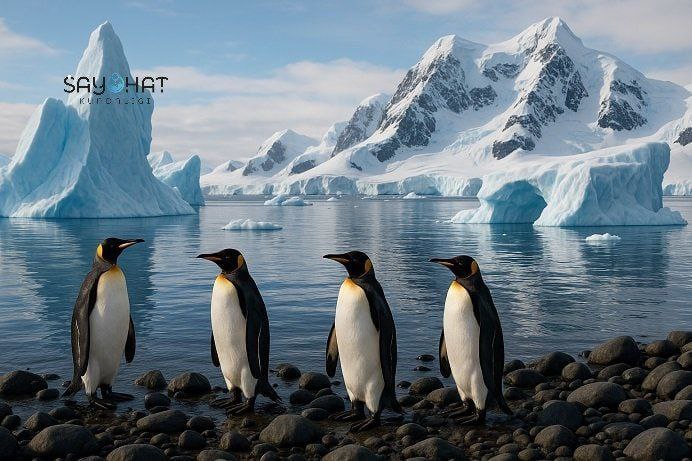
Despite harsh conditions, Antarctica hosts unique wildlife adapted to extreme cold, including:
-
penguins
-
seals
-
whales
-
seabirds
These animals survive thanks to thick fat layers, dense feathers, and specialized physiological adaptations.
The South Pole and scientific research
The South Pole, the southernmost point on Earth, is a major center for climate studies, astronomical observations, and geophysical research. Antarctica has no permanent residents, but many countries operate research stations across the continent.
One of the largest facilities is McMurdo Station, where scientists study glaciers, climate change, biology, and space-related phenomena.
Climate and natural features
Antarctica is the coldest continent, with temperatures dropping below −80 °C in some regions. Strong winds and extremely dry air also make it one of the windiest and driest places on Earth, often described as an “ice desert.”
Tourism and adventure
Tourism to Antarctica has grown in recent years through expedition cruises that allow travelers to observe glaciers, icebergs, and wildlife. However, strict environmental regulations ensure minimal impact on the fragile ecosystem.
Conclusion
Antarctica is a land of silence, endless white landscapes, and pristine wilderness. It serves as a vital natural laboratory for humanity, while visiting the continent remains a true adventure and unforgettable experience.