






- 21
- 20.11.2026 11:29:00
- 2 min read
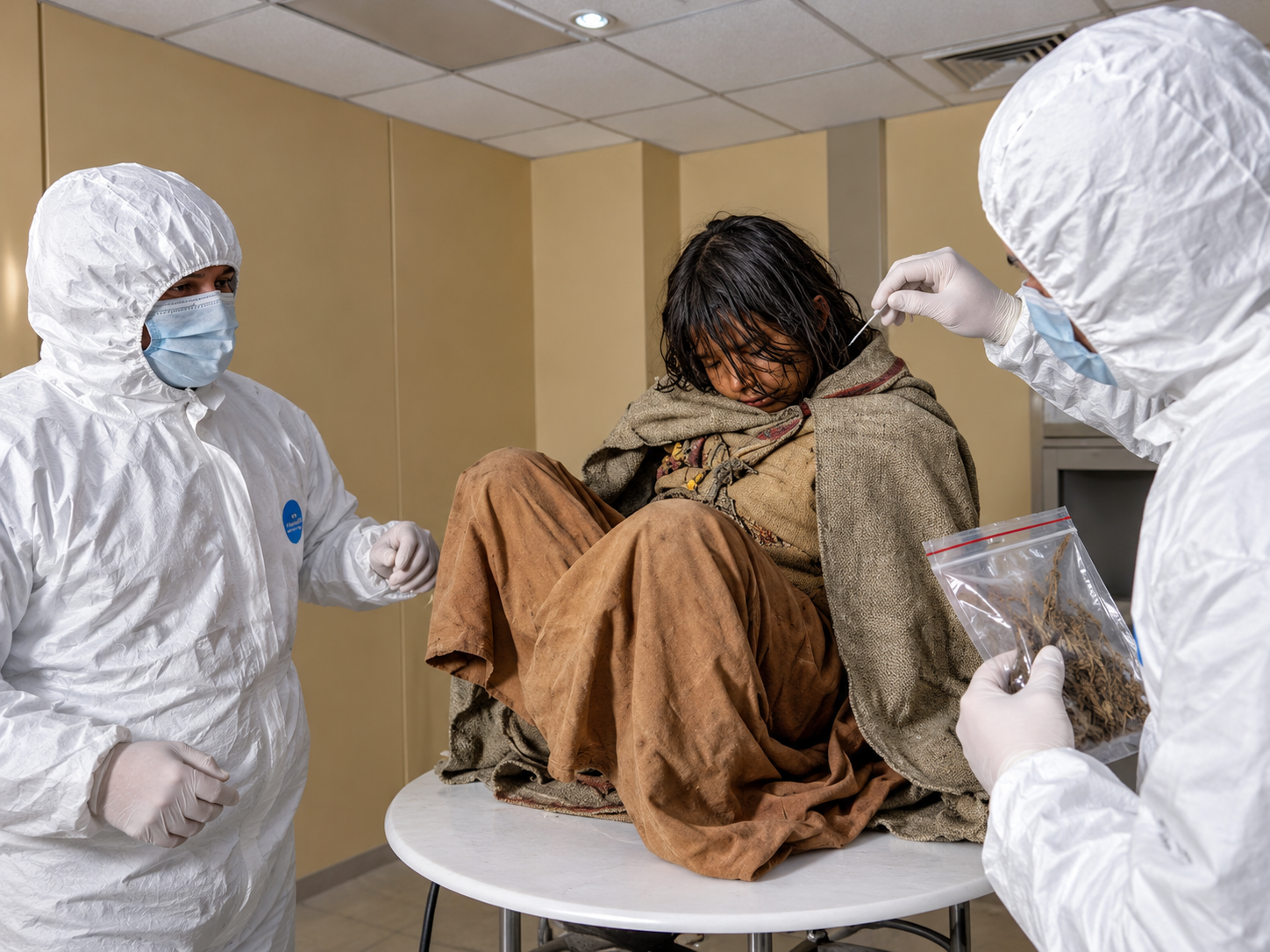
It has been discovered that, in the Inca Empire, children consumed cocaine, alcohol, and other psychoactive substances prior to religious sacrificial rituals. In a study published in the journal *Antiquity*, a team of scientists led by archaeologist Dagmara Socha from the University of Warsaw analyzed hair and nail samples from eight children, aged 6 to 14. Their remains were discovered on mountain peaks in Peru, Argentina, and Chile. Traces of cocaine were found in all the samples; in some cases, the findings indicated that the children had been consuming cocaine regularly in the weeks leading up to their deaths.

Two of the children showed traces of alcohol alongside cocaine, while another contained harmine—a hallucinogenic compound characteristic of *ayahuasca*. This serves as one of the first pieces of evidence that *ayahuasca* was used in ancient sacrificial rituals.

The Incas performed a child-sacrifice ritual known as *qhapaq hucha* (*kapakocha*) as a significant religious practice during the 15th and 16th centuries. Spanish chroniclers also wrote about the use of intoxicating substances during these rituals, though none of them had personally witnessed the ceremonies.

According to the researchers, these substances were used to calm the children, alleviate symptoms of altitude sickness while they were being taken up to the mountain peaks, and mentally prepare them for the ritual. The fact that some substances were obtained from plants growing far from the sacrificial sites indicates that the Incas possessed a thorough knowledge of the plants within their empire and their properties.