








- 33
- 13.11.2026 18:13:00
- 2 min read
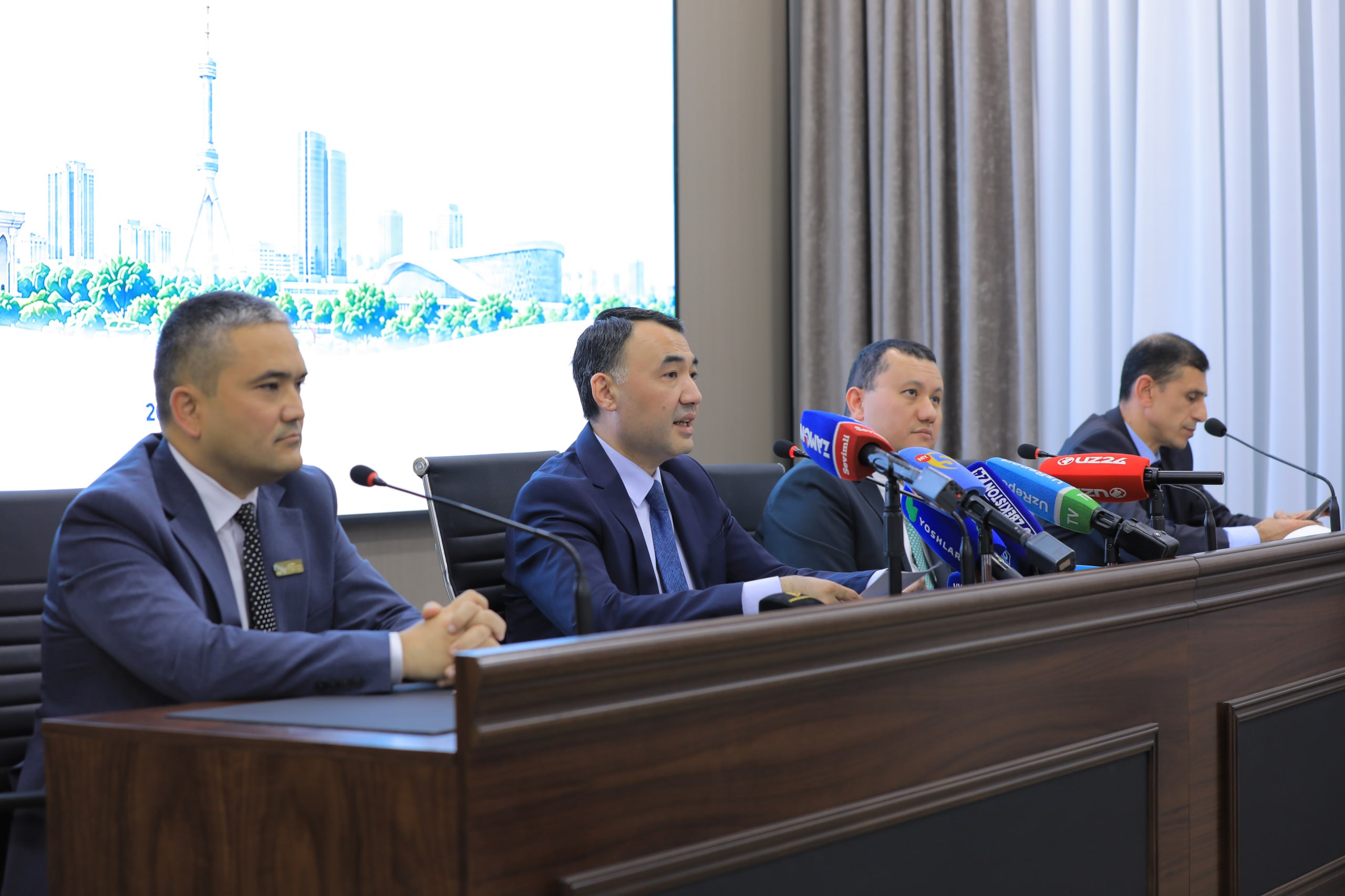
A press conference was held at the National Statistical Committee regarding the final results of the population and agricultural censuses, as well as their use in developing national accounts and economic indicators. A correspondent from CASIA.UZ also attended the event.

The final results of the population and agricultural censuses were announced during the meeting. It was noted that, as of January 15 of this year, the permanent population of Uzbekistan stood at 39,047,321. This figure is 810,600 people—or 2.1 percent—higher than the current estimate recorded on January 1. The population consists of 50.6 percent men and 49.4 percent women.

Furthermore, the report indicates that the proportion of individuals with higher education is 1.5 times higher in urban areas compared to rural areas. Specifically, 10.2 percent of women and 13.9 percent of men hold a higher education degree.

According to the results of the first-ever comprehensive agricultural census, 7.6 million agricultural census units were recorded. In 2025, the total land area under their use amounted to 42.5 million hectares. Specifically, it was determined that the country had 12.2 million head of cattle, 23 million head of sheep and goats, and 120.9 million poultry.

Based on the results of the census, Gross Domestic Product (GDP) figures for the years 2017–2025 were also recalculated. In particular, the GDP for 2025 was revised from 1,849.7 trillion soums to 2,126.8 trillion soums—a difference of 277.1 trillion soums, or 15 percent.

The Committee emphasized that this adjustment does not imply a 15 percent increase in real economic growth. Following the recalculations, real economic growth for 2025 was determined to be 7.8 percent, compared to the previous figure of 7.7 percent.

Additionally, nominal GDP per capita was adjusted from 48.8 million soums to 55 million soums, while the average annual population figure was revised from 37.9 million to 38.7 million people.

It was noted that these updated statistical data serve as an important foundation for more accurately assessing demographic and economic processes in the country, as well as for regional development and the planning of state programs.