





- 1
- 31.10.2026 15:47:00
- 2 min read
In Poland, the President of the Constitutional Tribunal, Bogdan Święczkowski, and his deputy have been suspended from their positions for a period of one month. Following this decision, protests erupted in front of the Tribunal building, and police cordoned off the area. President Karol Nawrocki cut short his trip to Senegal and returned to the country. The opposition has characterized the government’s actions as a “coup d’état.”

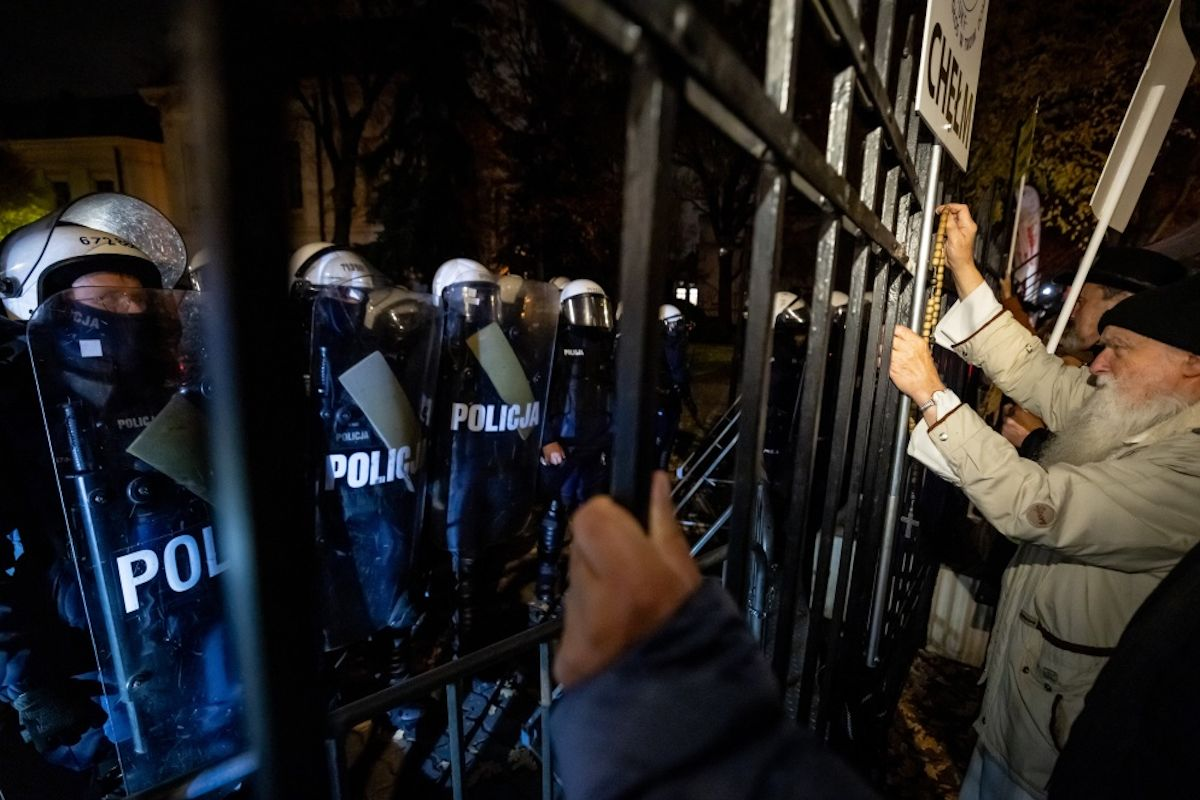
On October 30, Tribunal judge Anna Korwin-Piotrowska issued a ruling to suspend the President and his deputy. Subsequently, protesters gathered outside the court building. Some demonstrators threw objects at the police and attempted to breach the barriers. Law enforcement authorities strengthened security measures in the area, and three individuals were taken into custody.

Polish President Karol Nawrocki halted his visit to Senegal and returned to Warsaw. He described the incident as an attempt to forcibly seize a constitutional body and announced that he would hold urgent consultations with representatives of political parties. Prime Minister Donald Tusk, meanwhile, framed the government’s actions as a necessary step toward restoring the rule of law. Representatives of the Tribunal maintained that Święczkowski remains the President, labeling his suspension a “coup d’état.” The conflict has been ongoing since Donald Tusk’s government came to power in 2023. The government is questioning the legitimacy of judges who were appointed during the tenure of the previous administration, led by the Law and Justice party. Meanwhile, the President has refused to administer the oath of office to some of the new judges elected by parliament. As a result, the standoff between the government and the President—centered on control over the Constitutional Tribunal and the legitimacy of the judicial system—has intensified in Poland.