








- 1
- 15.12.2025 17:20:00
Which Foods Can Be Stored in the Refrigerator and Which Cannot?
Many people automatically put food into the refrigerator to make it last longer. However, not all foods benefit from cold storage. Some products lose their taste, texture, and nutritional value when kept in the refrigerator. Below is a guide explaining which foods should and should not be stored in the fridge.
Foods That CAN Be Stored in the Refrigerator
Milk and dairy products
-
Milk
-
Yogurt
-
Cheese
-
Butter
Cold temperatures slow down bacterial growth and extend shelf life.
Meat and fish
-
Raw meat
-
Chicken
-
Fish and seafood
These should be stored in sealed containers. For long-term storage, freezing is recommended.
Some vegetables
-
Carrots
-
Cabbage
-
Broccoli
-
Spinach
These vegetables stay fresh longer in cold conditions.
Fruits (when cut)
-
Strawberries
-
Grapes
-
Apples (cut)
Cut fruits spoil quickly, so refrigeration is necessary.
Foods NOT Recommended for Refrigerator Storage
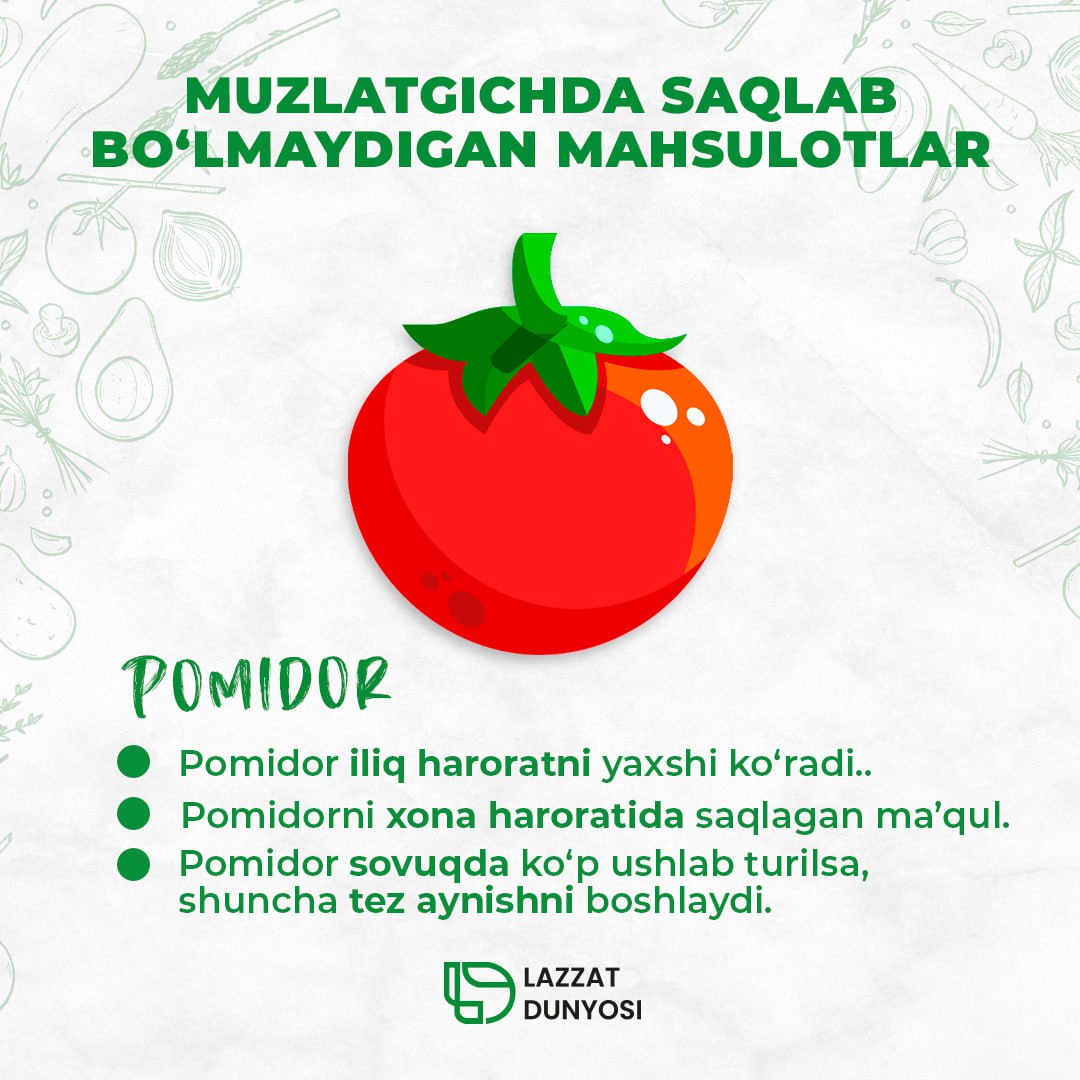
Tomatoes
Tomatoes should not be stored in the refrigerator because:
-
Cold temperatures damage their cell structure
-
Flavor becomes dull
-
Texture turns watery and soft
Tomatoes are best kept at room temperature, away from direct sunlight.
Potatoes
-
Cold turns starch into sugar
-
Taste changes
-
Develops an unpleasant sweetness when cooked
Onions and garlic
-
Moisture causes them to rot quickly
-
Mold may develop
They should be stored in a dry, well-ventilated place.
Bread
-
Dries out faster in the fridge
-
Loses its original taste
Bread is best kept at room temperature in paper or cloth wrapping.
Bananas
-
Peel turns dark
-
Ripening process stops
Additional Tips
-
Each product requires the right temperature
-
Do not overcrowd the refrigerator
-
Store food in sealed containers
Conclusion
The refrigerator is a useful appliance, but only when used correctly. Some foods, like tomatoes, do not tolerate cold well, and storing them at room temperature helps preserve both taste and quality.